

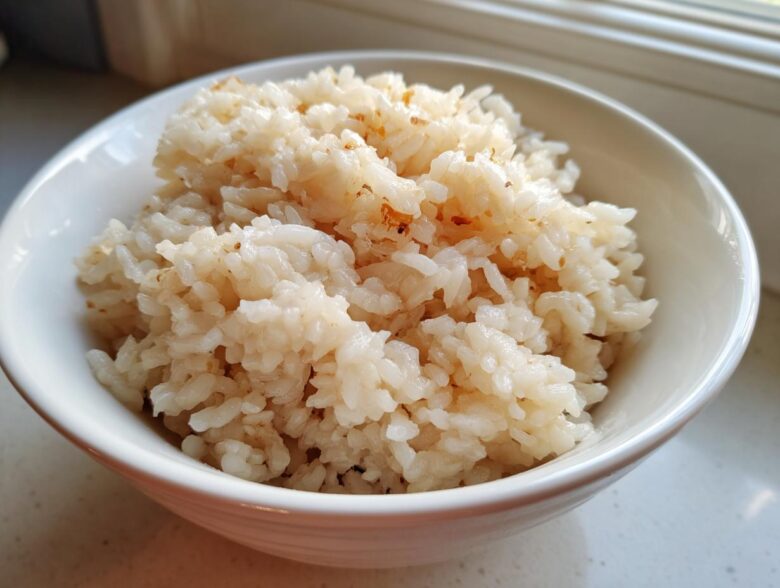
Oh, you know those nights when you just need that ultimate comfort food hug? For me, nothing hits the spot quite like a bowl of perfect Italian rice. Forget everything you’ve heard about risotto being fussy or impossible; I promise you, making truly restaurant-quality Parmesan Risotto at home is way easier than you think!
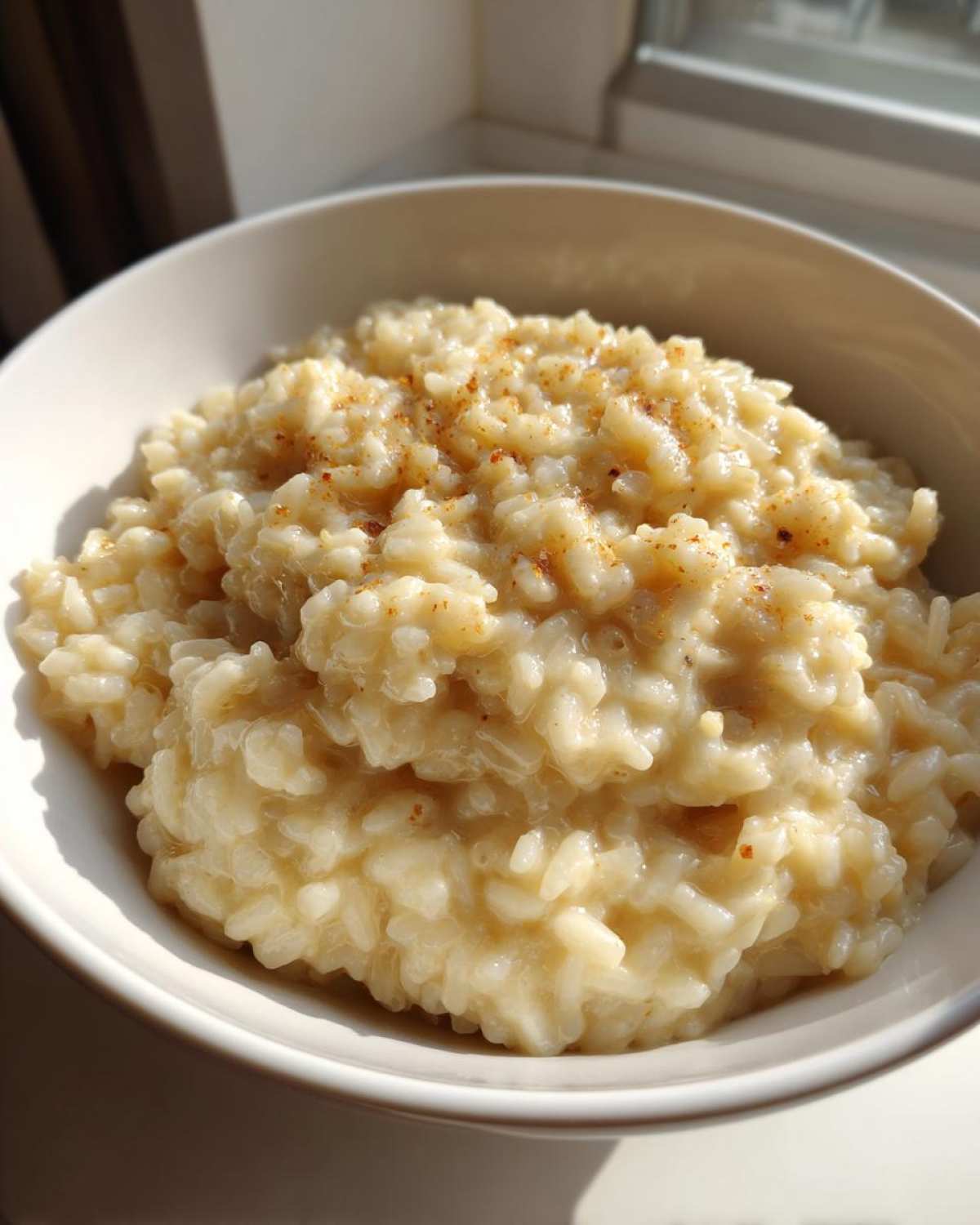
I’ve spent years stirring over hot pots—trust me, I’ve made it too sticky and I’ve made it too soupy. But I finally nailed the authentic process. This recipe guarantees that rich, creamy texture every single time by honoring the old traditions. When that luscious, buttery steam hits your face, you’ll know you’ve created something special. You definitely need to check out why we care so much about tradition in the kitchen!
Why This Creamy Parmesan Risotto Recipe Works (E-E-A-T Focus)
Look, I know risotto gets a bad rap for being high-maintenance, but that’s usually because people skip the important little steps. My version cuts through the fuss and focuses only on the techniques that genuinely deliver that signature creaminess. This isn’t just random stirring; it’s science!
- Technique Over Talent: The secret to amazing Parmesan Risotto isn’t a special gadget; it’s knowing when and how to stir gently to coax the starch out of those beautiful rice grains.
- The Final Fold: We finish it off the heat, which is non-negotiable for the ultimate texture.
Achieving Restaurant Quality Parmesan Risotto At Home
The constant, slow addition of broth is what cooks the exterior of the rice while keeping the very core—the bite—intact. You’re essentially creating a creamy sauce *from* the rice itself. When you do this right, you get that beautiful, flowing texture we call all’onda. It should ripple gently when you jostle the pan—that’s how you know you’ve made fantastic Parmesan Risotto.
The Importance of Hot Broth Consistency
Seriously, listen up on this one! If you dump cold broth into your hot rice, you shock the grains. They stop cooking for a minute while they warm up, and that messes with the starch release. Keeping that broth simmering gently on the back burner ensures you maintain that steady temperature. Warm liquid in, creamy rice out. It’s that simple!
Ingredients for Authentic Parmesan Risotto
Okay, let’s talk about what goes into this glorious bowl. Because this is an Authentic Italian Risotto, the quality of your core stuff matters way more than any fancy additions. You only need a few things, but they have to be right. We need six cups of broth simmering hot—no cheating!—and your rice, which has to be the right shape.
Remember, this is about building layers of flavor, so grab that good Parmigiano-Reggiano for the best Parmesan Risotto possible!
Best Risotto Rice Guide: Arborio vs. Others
For this go-to recipe, I stick with Arborio rice. It’s easy to find, and it releases that lovely surface starch perfectly for a nice, thick sauce. If you want to get really fancy—like, next-level foodie status—Carnaroli rice is the king. It holds its shape just a little bit better and soaks up less liquid, which gives you more control. But honestly? Arborio is your reliable workhorse for a great creamy dish.
Parmesan Quality for Perfect Parmesan Risotto
This is where I get bossy! You absolutely have to buy a block of real Parmigiano-Reggiano and grate it yourself. Seriously! That bag of pre-grated stuff is coated in things like cellulose to stop it from clumping in the bag. Those anti-caking agents actively fight against the melting and emulsifying process we need for that smooth, final coating on your Parmesan Risotto. Grate it fresh, or you’ll notice the texture just isn’t right.
How to Make Risotto from Scratch: Step-by-Step Instructions
Putting this all together sounds like a process, but trust me, once you start, you’ll fall into a rhythm. We’re following the traditional Italian steps here to make sure our Parmesan Risotto is just divine. First things first: keep that broth simmering low on the stove; adding anything cold is a major no-no! If you ever need a quick side to go with this later, don’t forget to check out my recipe for creamy garlic aioli.
In your heavy pot, you’re melting the butter and oil over medium heat. Don’t let it brown! Just coax those onions until they look soft and glassy. Next up is the tostatura, or toasting the rice. You dump in that Arborio rice and stir it constantly for about two full minutes. You want to see the edges of the grains turn a little see-through. This is your prep work for creaminess!
Toasting the Rice and Deglazing with Wine
Once that rice is looking glossy, pour in that white wine. It’s going to sizzle and steam a lot, so stand back a bit! You have to keep stirring until every drop of that wine is gone and the rice has drunk it all up. This step adds a crucial bit of acidity that brightens the whole dish. Keep those Simple Parmesan Risotto Instructions in mind—no rushing on this part!
The Slow Addition of Broth
This is where the magic marathon begins! You start adding your hot broth, one big ladleful at a time. You stir almost constantly, patiently waiting until that liquid is absorbed before you even think about adding the next ladle. This whole process takes patience—usually about 18 to 20 minutes total—but it’s how you Make Risotto from Scratch correctly. You’re aiming for al dente, which means creamy on the outside but still having a tiny, satisfying chew in the center when you test it.
Mastering the Mantecatura Technique Explained
Alright, we are at the finish line, and this last step separates the okay risotto from the absolutely jaw-dropping, Rich and Buttery Risotto. This move is called Mantecatura, and it’s what gives you that famous restaurant texture. The MOST important thing to remember is that you MUST take the pot completely off the heat before you start!
Once the heat is disconnected, you vigorously stir in that cup of grated Parmesan, along with the cubes of COLD butter we put aside. I mean, stir it like you mean it! You’re incorporating air and emulsifying the fat from the butter and cheese into the starchy rice liquid. It transforms the whole dish from a loose pile of rice into a cohesive, velvety blanket of flavor.
If you do this right, your final Parmesan Risotto will look glossy and flow beautifully when you shake the pan. It’s the defining moment! If you love deep, savory finishes like this, you should definitely check out how I make my Cowboy Butter Dipping Sauce sometime!
Tips for Success with Your Parmesan Risotto
You’ve done the hard work stirring, and now you just need to perfect that final texture before serving your Parmesan Risotto. Texture control is everything here; nobody wants rice that’s too stiff or sinks into a watery pool. This is where those final adjustments come in handy. It’s all about tweaking it until it sings for you!
I find that sometimes floury rice just soaks up everything in the last minute, leaving my risotto tragically dry. If your Parmesan Risotto looks too stiff right after the mantecatura—like it’s just sitting there heavily in the pot—don’t panic! Just grab another splash of that hot broth and stir it in quickly. It brings back the looseness almost instantly.
Adjusting Consistency (All’onda)
If your risotto is looking runny instead of flowing like a wave, it means you added that last ladle of broth too soon or it was too much liquid overall. Don’t worry, we can save it! Keep stirring that mixture over very low heat for another minute or two. The residual heat and continued motion will help the starch thicken things up naturally. You are chasing that famous all’onda look, remember? It should spread slowly on a plate, not run away from it. If you need more quick ideas for creamy flavor enhancers later, check out my garlic aioli recipe!
Variations for Your Classic Risotto
Now that you’ve mastered the absolute classic, creamy version, you might be thinking about mixing it up a little bit, right? I totally get it! The beauty of this base recipe is how perfectly it accepts subtle additions without losing that unmistakable cheesy flavor profile. You don’t need to completely overhaul things to make it your own; small tweaks pack a huge punch.
I usually treat these additions just like the Mantecatura step—off the heat, right at the very end. That way, you don’t mess with the cooking time of the rice or the broth absorption process. This keeps things simple and honors the traditional Italian method we worked so hard to master!
Try stirring in a tiny drizzle of white truffle oil right before serving—wow, it feels instantly fancy! Or, if you want something bright and fresh to cut through all that butter and cheese, zest a small lemon right over the top with the final Parmesan. It adds a beautiful zing. For a bolder twist, I love adding finely chopped fresh herbs like chives or parsley right before it hits the bowl. If you’re looking for other totally tasty, quick-cooking mains, you have to try my Garlic Noodles recipe next!
Troubleshooting Common Parmesan Risotto Issues
Even when you follow everything perfectly, sometimes the kitchen throws you a curveball! Don’t stress if your first or second attempt at this lovely Parmesan Risotto doesn’t look exactly like the magazine photo. We can fix almost anything if we know what went wrong. I’ve been there, trying to save a pot that wouldn’t behave!
If your rice feels too sticky or gummy, that’s usually a sign you stirred *too* much toward the end, or maybe you added the broth too fast after the wine absorbed. For a quick fix, try plunging the pot off the heat and stirring in a tablespoon or two of plain cold water or broth—this can slightly dilute the over-released starch. If the rice is still crunchy in the middle after 20 minutes, it means the heat was too low, or you need more liquid; just keep adding hot broth, ladle by ladle, and be patient until it softens up just right.
Now, the watery situation. If you have too much liquid and the rice won’t thicken after your final mantecatura—meaning you ended up with soup instead of that perfect wave—the solution is easy! Turn the heat back on to low, and just stand there stirring gently for another minute or two. That gentle heat will encourage the remaining starch to bind with the fats, thickening your Parmesan Risotto into the right consistency.
Serving Suggestions for This Homemade Italian Side Dish
So you’ve mastered the technique, and you have this gorgeously rich, buttery rice waiting for you. What do you serve alongside it? That’s the fun part! Because this risotto is so incredibly rich, you want pairings that offer some contrast—either lean protein or something bright and acidic to cut through all that delicious Parmesan fat.
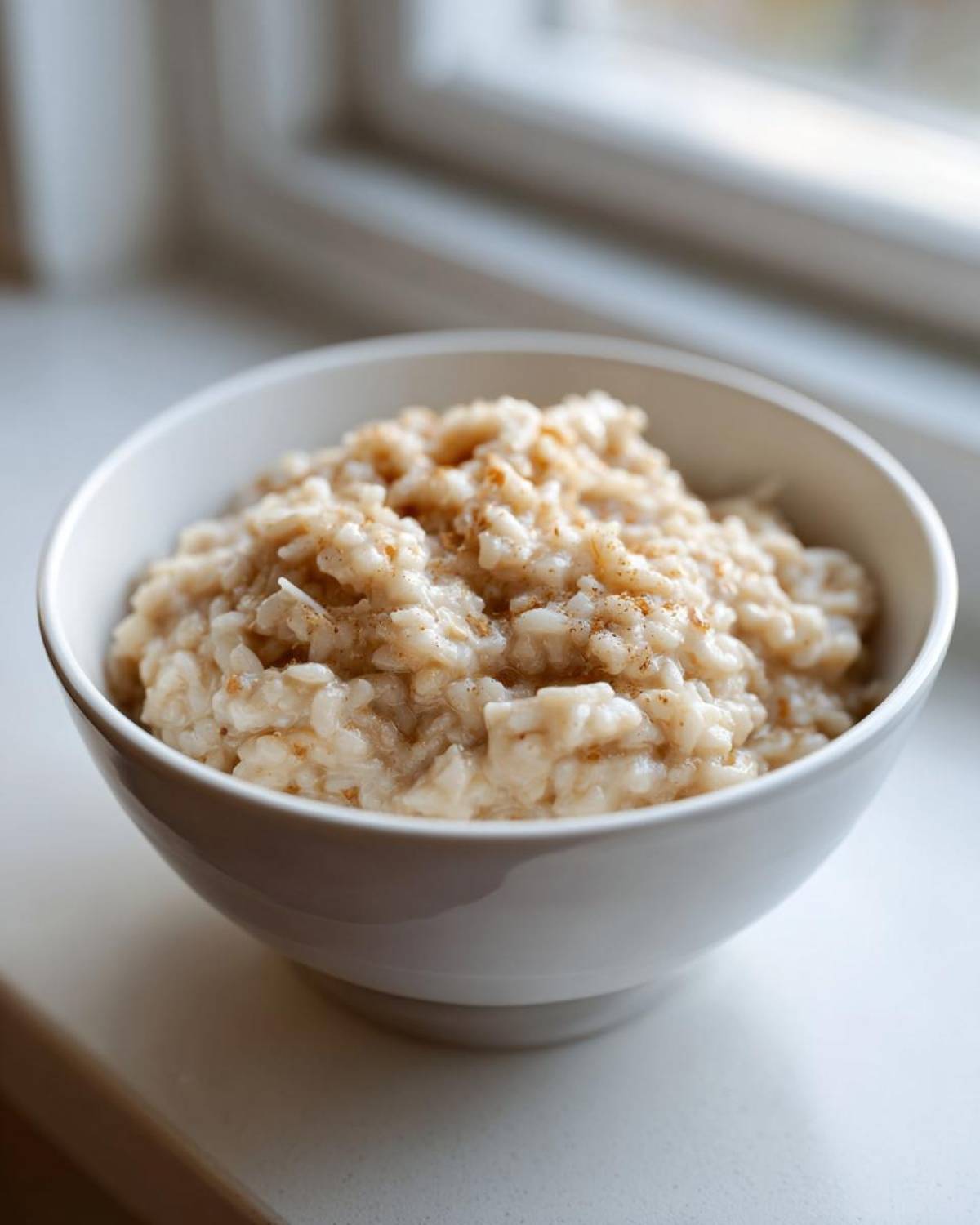
Honestly, a simple serving of this rice can totally be the star of the show. A light drizzle of good olive oil and a sprinkle of fresh parsley make it a meal on its own for a cozy night in. But when you want to turn it into a proper dinner, I always lean toward something straightforward.
It’s absolutely amazing next to something simple, like pan-seared scallops or some quick grilled shrimp. If you’re looking for a fantastic, lean main course that cooks up fast on a sheet pan without stealing the spotlight from your rice, I highly recommend checking out my recipe for Juicy Baked Sheet Pan Greek Chicken. That bright lemon and oregano flavor is the perfect foil for the savory creaminess of the risotto!
Storage and Reheating Instructions for Leftover Parmesan Risotto
I know, I know, the goal is to eat it all right away because it’s just that good! But if you actually manage to have leftovers of your incredible Parmesan Risotto—maybe you made a huge batch or you’re just disciplined—you need to handle them correctly. Risotto doesn’t love being stored for days; it gets really tight and firm!
The first thing you must do is let it cool down just a tiny bit, but don’t just leave it sitting on the counter for hours, you know, for food safety reasons! Get it into an airtight container fairly quickly. It will be dense when you pull it out of the fridge the next day because all that gorgeous starch has set up.
Reheating is where people mess up their chances of a second amazing bowl of Parmesan Risotto. You CANNOT just microwave it straight from the fridge. It will turn into a hard, cheesy brick—trust me! You have to bring back the moisture. Put the portion you want in a small saucepan over low heat, and stir in a tablespoon or two of hot broth or even just water as it warms up. Stir gently until it loosens back up and starts flowing again, just like before. Go easy on the heat, okay? You only want to warm it through, not cook it longer, or you’ll end up with mushy rice!
Nutritional Data Estimate
Now, I’m not a nutritionist, so take these numbers with a grain of salt—pun absolutely intended! Since every batch of Parmesan Risotto depends on the exact brand of broth, size of the butter chunks, and how much extra cheese you sneak in, these figures are just a ballpark estimate for one serving based on the recipe quantities.
We’re looking at a rich dish here, so the fat content is definitely there from all that lovely butter and cheese we use in the mantecatura. Here’s the general breakdown for about a quarter of the whole batch:
- Calories: Around 450
- Fat: About 22 grams (be mindful of that saturated fat!)
- Carbohydrates: Roughly 45 grams
- Protein: A solid 18 grams
If you’re tracking macros closely, you can find out more about the general principles we follow in the kitchen over on our site disclaimer page. But seriously, this is comfort food; enjoy it!
Share Your Restaurant Quality Risotto Success
Well, I think that’s it! You have everything you need now to walk into your kitchen and create the most spectacular, creamy dish you’ve ever made. Seriously, this step-by-step process for achieving that perfect texture is foolproof if you just stick with the slow stirring!
I absolutely live to hear about your kitchen triumphs! Did you get that perfect ripple—that all’onda flow—right on your first try? Or maybe you tried one of the flavor variations and loved it? Please let me know how it went down in your house! Drop a rating below so others know this recipe is the real deal.
If you have any burning questions that popped up while you were stirring away, please don’t hesitate to ask in the comments section. I check in often and love chatting kitchen technique! And if you need to reach out directly about something else, you can always get in touch via my contact page. Happy cooking—I hope you enjoy every single spoonful!
PrintClassic Parmesan Risotto
Follow these steps to make rich, creamy Parmesan Risotto using the traditional Italian method.
- Prep Time: 10 min
- Cook Time: 30 min
- Total Time: 40 min
- Yield: 4 servings
- Category: Side Dish
- Method: Stovetop Cooking
- Cuisine: Italian
- Diet: Vegetarian
Ingredients
- 6 cups hot chicken or vegetable broth
- 2 tablespoons olive oil
- 2 tablespoons unsalted butter, divided
- 1 small yellow onion, finely chopped
- 1 1/2 cups Arborio rice
- 1/2 cup dry white wine (like Pinot Grigio)
- 1 cup freshly grated Parmesan cheese, plus more for serving
- 1/4 cup cold unsalted butter, cut into cubes
- Salt and freshly ground black pepper to taste
Instructions
- Heat the broth in a saucepan and keep it at a gentle simmer on a back burner.
- In a large, heavy-bottomed pot or Dutch oven, melt 2 tablespoons of butter with the olive oil over medium heat.
- Add the chopped onion and cook until soft and translucent, about 5 minutes. Do not brown the onion.
- Add the Arborio rice to the pot. Stir constantly for 2 minutes until the edges of the grains look translucent. This toasts the rice.
- Pour in the white wine. Stir and cook until the wine is completely absorbed by the rice.
- Add one ladleful (about 1 cup) of the hot broth to the rice. Stir continuously until the liquid is almost fully absorbed.
- Continue adding the broth one ladleful at a time, stirring frequently and waiting until each addition is absorbed before adding the next. This process takes about 18 to 20 minutes. The rice should be creamy but still firm to the bite (al dente).
- Remove the pot from the heat. This is the mantecatura step.
- Stir in the 1 cup of grated Parmesan cheese and the 1/4 cup of cold butter cubes vigorously. Stir until the butter and cheese are fully melted and incorporated, creating a smooth, creamy texture.
- Season with salt and pepper to taste. Serve immediately in warm bowls, topped with extra Parmesan cheese.
Notes
- Use high-quality, freshly grated Parmesan cheese for the best flavor. Pre-grated cheese often contains anti-caking agents that prevent smooth melting.
- Keep your broth hot throughout the cooking process; adding cold broth stops the cooking and ruins the texture.
- If you prefer a tangier flavor, substitute 1 tablespoon of lemon zest for a small amount of the final butter addition.
- If the risotto seems too thick at the end, stir in a splash more hot broth until you reach a flowing, wave-like consistency (all’onda).
Nutrition
- Serving Size: 1/4 of recipe
- Calories: 450
- Sugar: 3
- Sodium: 550
- Fat: 22
- Saturated Fat: 13
- Unsaturated Fat: 9
- Trans Fat: 0
- Carbohydrates: 45
- Fiber: 2
- Protein: 18
- Cholesterol: 65