

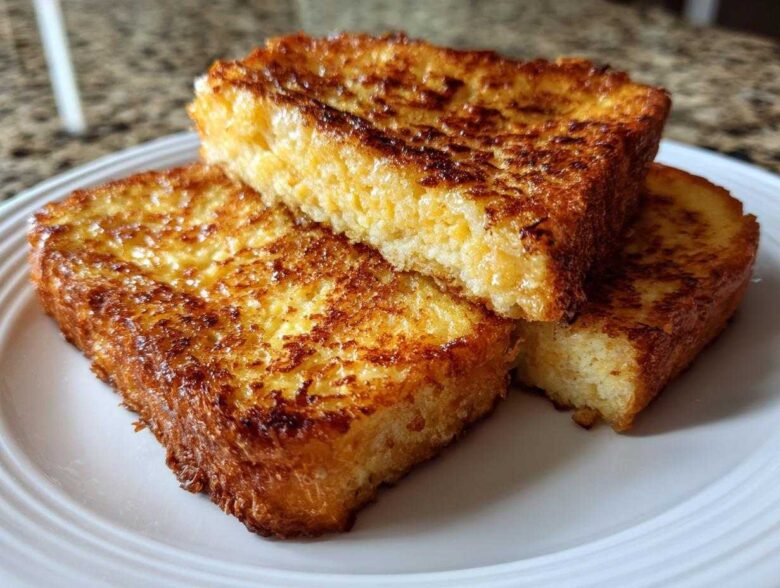
Forget those floppy, soggy excuses for breakfast you sometimes end up with. We’ve all been there when the bread just turns into mush! But I’m here to tell you—right now—that those days are over. Mastering the perfect French Toast isn’t just about the spices; it’s about nailing that delicate moment between soaking and structure. This guide is my definitive, no-fail blueprint for making it right every single time. Seriously, once you nail the soak time, you’ll be serving up the fluffiest slices imaginable. Get your thick-cut brioche ready; it’s time for brunch perfection! If you’re looking for more easy weekend breakfast ideas, make sure you check out the category page after you’ve tried this!
Why This Classic French Toast Recipe Works So Well
I know, every recipe claims to be the “best,” but this one truly stands out, and it’s not magic—it’s pure chemistry! The reason this simple French Toast comes out tasting like something from a fancy brunch spot is all down to a few non-negotiable rules regarding ingredients and timing. We aren’t just dumping bread in milk; we are building flavor and structure.
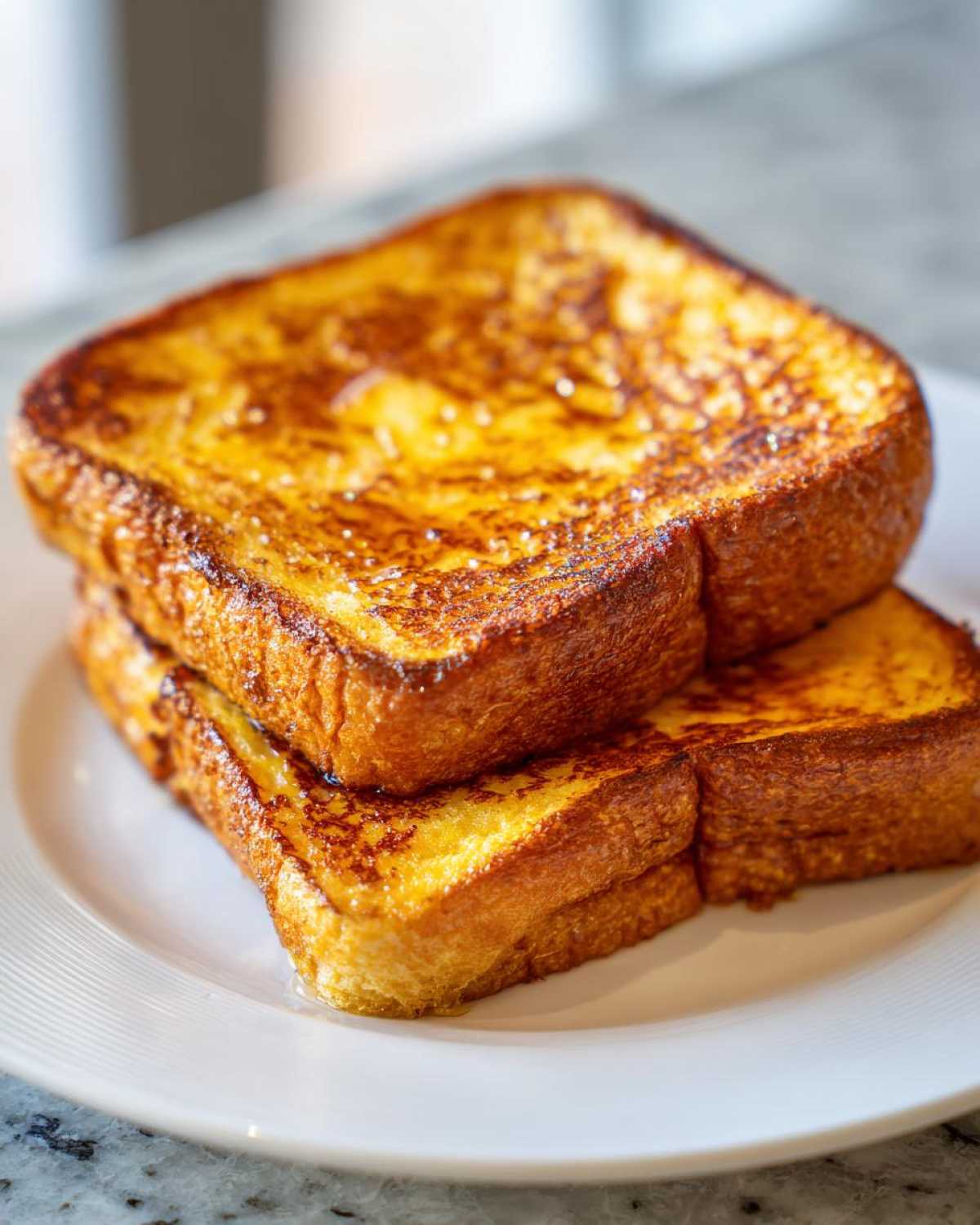
- We use a perfect ratio of richness in that custard base—not too thin, which prevents sogginess, but rich enough to coat everything beautifully.
- The fat content in the dairy is key, which is why I always push for whole milk or even a little cream if I’m feeling fancy.
- We respect the bread choice; it has to be sturdy enough to handle the dip without dissolving into goo on the skillet.
Achieving the Fluffy French Toast Technique
If you think about it, the goal here is a crispy outside hugging a soft, slightly custardy middle. That’s the Fluffy French Toast Technique in a nutshell! You need bread that’s thick—at least an inch thick if possible, like brioche or challah. Thicker slices allow the internal structure to stay light while the outside browns perfectly. Thin bread just collapses immediately when it hits the pan.
The Secret to Perfect French Toast Soak Time
This is where 90% of people mess up their French Toast. They either rush it or let it drown! If you’re looking for tips on How to Soak French Toast Without Soggy slices, listen up: 15 to 20 seconds per side is the sweet spot. That’s enough time for the custard to penetrate and flavor the center, but it leaves the outer layer dry enough to crisp up when you cook it. Trust me on the timing!
Gathering Ingredients for Classic French Toast Recipe
Okay, let’s talk components! The beauty of this French Toast is how simple the ingredient list is. You don’t need fancy extracts or a ton of sugar to make it zing. We are sticking to the basics for that true, authentic taste. You’ll need six slices of really good, thick bread—I mean it, think brioche or challah. Then, it’s just two large eggs, half a cup of whole milk, a splash of vanilla, some cinnamon, and just a tiny bit of sugar to kick things off. Don’t forget the butter for the skillet; that’s non-negotiable for flavor!
Ingredient Notes and Substitutions
My favorite “secret” ingredient isn’t really a secret at all: use bread that’s a day old! Slightly stale bread is the MVP here because it soaks up the custard without immediately turning mushy. Remember that concept behind Stale Bread Uses? This is it! Also, for an even richer experience, swap out half the milk for heavy cream. It makes the final texture heavenly.
Step-by-Step Instructions for Perfect French Toast
Alright, let’s get those griddles hot! Making incredible French Toast doesn’t take a culinary degree; it just takes following these simple steps exactly. The major key here is temperature control. If your pan is too hot, the outside burns before the inside is cooked, leaving you with raw batter in the middle. Too low, and you end up with soggy bread that looks pale, not golden! If you love rich, custardy textures, you’ll want to check out my tips on making a classic bread pudding once you’re done stuffing yourself with toast!
Preparing the Custard Base Recipe for French Toast
First things first, you need that smooth dip. Grab a shallow dish—definitely wider than your toast slices! Whisk those two eggs together with the milk, vanilla, cinnamon, and sugar really well. You’re looking for a totally uniform mixture where the yolks and whites are completely incorporated. This careful preparation is the foundation of a great Custard Base Recipe for French Toast. Make sure there are no streaks of white egg left!
Cooking Your French Toast to Golden Perfection
Next, set your skillet or griddle to medium heat. Don’t rush this part; let it preheat properly. Pop in half your butter and let it melt until it coats the pan nicely. Now, dip your bread: 15 to 20 seconds per side, remember? Lay the soaked slices gently on the hot butter. Cook them for about three or four minutes per side until they are gorgeously golden brown. If they start looking too dark too fast, turn the heat down immediately! Keep the cooked slices warm while you melt the next bit of butter and repeat the process.
Tips for Making the Best French Toast Ever
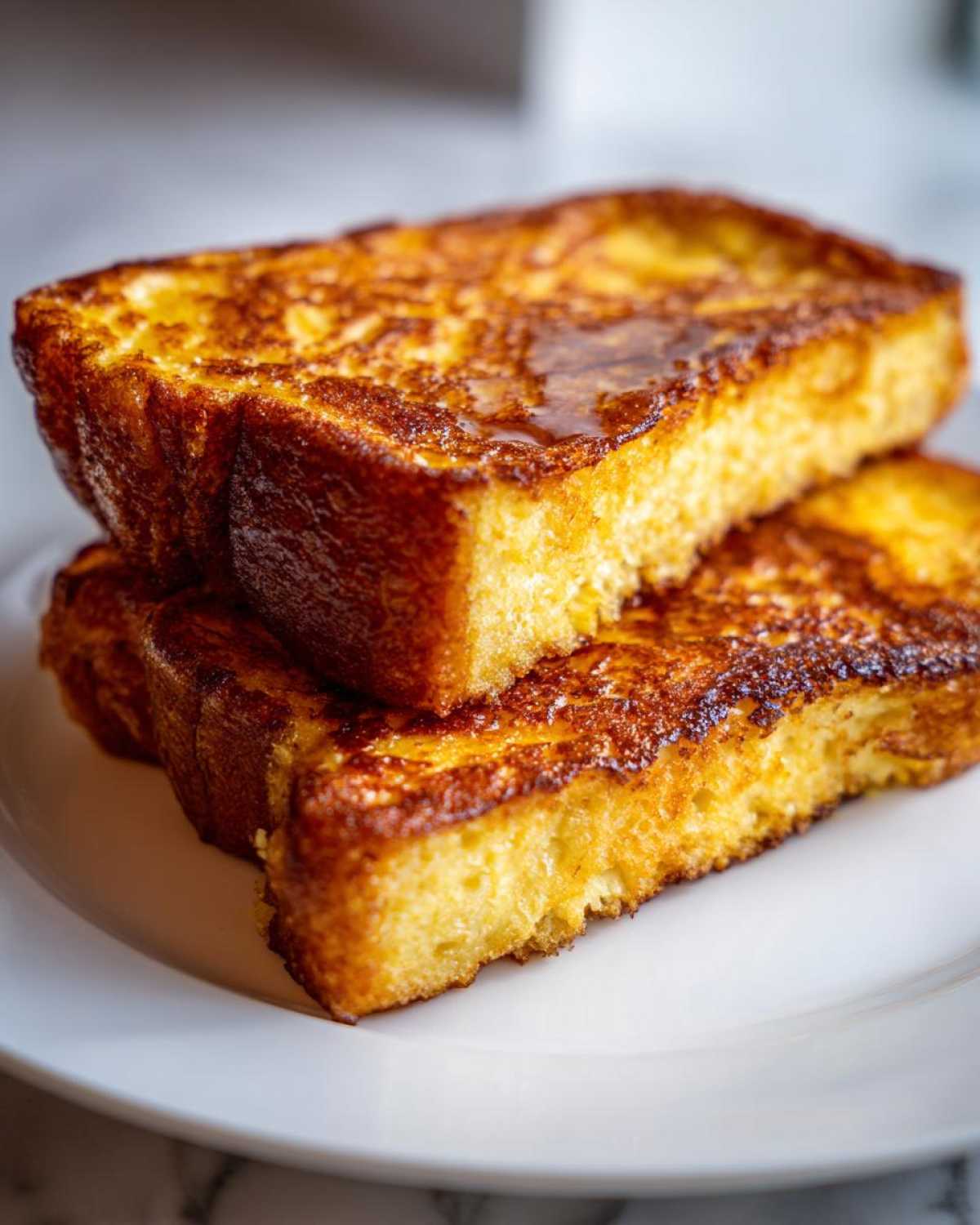
We’ve covered the basics of the classic French Toast recipe, but if you want to elevate this dish into legendary status, I have a few pro moves. Achieving the truly Best French Toast Ever is all about those tiny details. For example, if you want those edges to be just slightly crispy—that perfect textural contrast—sprinkle a tiny pinch of salt into your custard mixture. It really heightens all the sweet flavors!
Another fantastic trick is about the cooking fat. Butter gives you flavor, but it burns fast. Try using a mix of half butter and half neutral oil, like canola, in the pan. The oil raises the smoke point so the butter flavor comes through, but it won’t scorch before your bread is perfectly done. This method guarantees a consistently beautiful golden-brown finish!
Serving Suggestions: Gourmet Toppings for Toast
The perfect French Toast is just the canvas; the toppings are the paint! You can go traditional, or you can really go wild for a weekend brunch masterpiece. Don’t feel you have to stick to simple syrup—there are so many ways to dress up your plate. We’ve got some classic ideas and some slightly fancier ones to really impress your brunch guests.
For the ultimate spread, try these topping ideas:
- A simple dusting of powdered sugar for a minimalist look.
- Fresh berries mixed with a dollop of slightly sweetened Greek yogurt.
- Maple syrup warmed up with a tiny pinch of nutmeg mixed in.
- My absolute favorite: toasted pecans mixed with brown sugar and a dab of extra butter—pure heaven!
If you want to push the boat out, think about adding things like lightly caramelized bananas or even a drizzle of lemon curd. These kinds of Gourmet Toppings for Toast make your breakfast feel like a genuine celebration! Speaking of cinnamon flavors, if you love that warm spice, you have to check out my recipe for cinnamon sugar French toast muffins!
Variations on the Classic French Toast
Once you master the base recipe for your French Toast—and I know you will, because you nailed the soak time—it’s time to start playing! This method works as a beautiful starting point for so many different takes on breakfast. If you’re tired of the standard recipe, don’t worry, I’ve got you covered with some fun twists to keep your weekend mornings exciting.
For the ultimate rich experience, skip the basic white bread and go straight for brioche. The high egg and butter content in Brioche French Toast makes it soak up the custard like a dream while puffing up huge when it cooks! Another great swap is adding spice extracts. Try ditching the cinnamon and going heavy on nutmeg and cardamom for a completely different scent profile—that falls right into that lovely warm Cinnamon Spice Breakfast vibe, just shifted!
And if you’re ever looking for something truly different, you can even try a savory version, which is wild! But honestly, I find myself going back to the sweet versions, like my recipe for brown sugar banana bread brownies, if I want something sweet but baked instead.
Storage and Reheating Instructions for French Toast
So you made a huge batch of perfect French Toast? Good job! Don’t let those leftovers go to waste in the back of the fridge. The trick is to avoid making them soggy again when you reheat them. Store cooled slices in an airtight container, maybe separated by parchment paper if you have it, for about two days. When it’s time to eat them later, skip the microwave!
The best way to reheat is in a toaster oven or a regular oven set low, around 300°F (150°C), for about 8 to 10 minutes. This crisps the outside back up without drying out the inside. It brings back that lovely texture every time!
Frequently Asked Questions About Making French Toast
I always get so many questions after people try this recipe because they want to make sure every single batch is as perfect as the first one! It’s totally understandable, too, since you want your weekend mornings to be flawless. Don’t worry about deviating from the recipe slightly; it’s all about knowing the rules so you can bend them later. I try to keep things easy, which is why I love sharing these quick answers!
Can I use regular sandwich bread for French Toast?
You certainly *can*, but I wouldn’t recommend it if you’re going for that fluffy texture we talked about! Standard, thin sandwich bread is too soft and small. It tends to absorb the custard too quickly and often gets gummy or falls apart when you flip it. Stick to that thick-cut brioche or challah if you can manage it for the best results.
What makes a good Make Ahead Brunch Recipe using French Toast?
If you need a Make Ahead Brunch Recipe, don’t try to make regular slices ahead of time—they just get sad in the fridge. The trick is to turn it into a casserole! Assemble the slices soaked in custard in a baking dish the night before, keep it covered, and bake it the next morning. That way, your French Toast is ready to go without standing over the stove when guests arrive. It’s the ultimate time saver, and you can find a good basic casserole method on my site if you search for it!
If you’re looking for another super fast option, you should totally check out my recipe for quick and easy million-dollar dip—it’s savory, but it’s ready in a snap!
Next Steps for Your Easy Weekend Breakfast Ideas
So, there you have it! You’re fully equipped to make the most incredible French Toast this weekend. Don’t let this knowledge sit around—get those thick slices soaking! I’d love to see what toppings you choose, so drop a comment below. If you try this and need more inspiration for more easy weekend breakfast ideas, keep exploring the site!
PrintClassic French Toast Recipe

A simple recipe for making classic, flavorful French toast using a basic custard base.
- Prep Time: 5 min
- Cook Time: 15 min
- Total Time: 20 min
- Yield: 3 servings
- Category: Breakfast
- Method: Pan Frying
- Cuisine: American
- Diet: Vegetarian
Ingredients
- 6 slices thick bread (brioche or challah recommended)
- 2 large eggs
- 1/2 cup milk (whole milk preferred)
- 1 teaspoon vanilla extract
- 1/2 teaspoon ground cinnamon
- 1 tablespoon granulated sugar
- 1 tablespoon butter, for cooking
Instructions
- In a shallow dish, whisk together the eggs, milk, vanilla extract, cinnamon, and sugar until well combined. This is your custard base.
- Heat a large skillet or griddle over medium heat. Add half of the butter and let it melt until it coats the surface.
- Dip each slice of bread into the custard mixture, allowing it to soak for about 15 to 20 seconds per side. Do not over-soak, or the bread will become soggy.
- Place the soaked bread onto the hot skillet. Cook for 3 to 4 minutes per side, until golden brown and cooked through.
- Remove the cooked French toast from the skillet and keep warm while you cook the remaining slices, adding more butter as needed.
- Serve immediately with your preferred toppings.
Notes
- Use slightly stale bread; it absorbs the custard better without falling apart.
- For richer flavor, substitute half the milk with heavy cream.
- If you prefer a crispier exterior, add a pinch of salt to the custard mixture.
Nutrition
- Serving Size: 2 slices
- Calories: 280
- Sugar: 10
- Sodium: 250
- Fat: 12
- Saturated Fat: 6
- Unsaturated Fat: 6
- Trans Fat: 0
- Carbohydrates: 32
- Fiber: 1
- Protein: 12
- Cholesterol: 130