

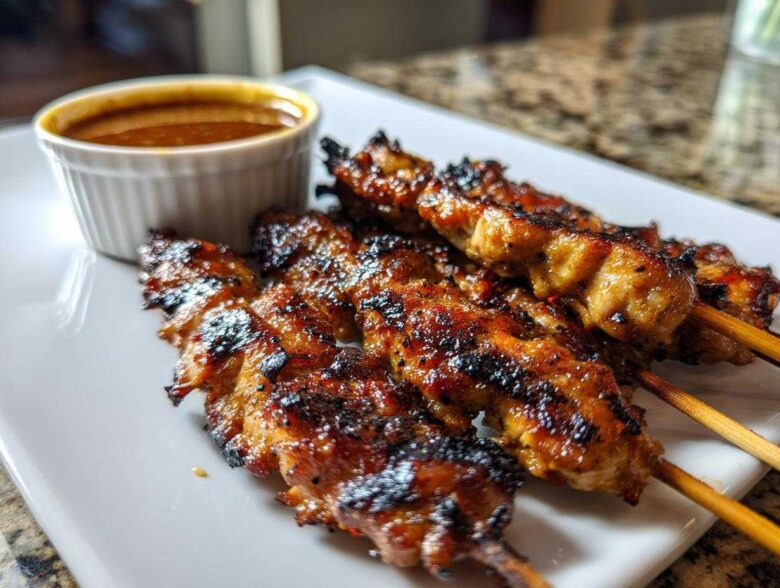
Oh my gosh, you have to trust me on this chicken satay. Forget those sad, dry skewers you get sometimes! I’m talking about that incredible, fragrant flavor you smell walking down a street food market—but right here in your backyard (or kitchen!). This isn’t just another recipe; this is my ultimate guide to getting ridiculously juicy chicken skewers paired with the absolute best, creamiest homemade peanut sauce you will ever eat. It took me ages to nail down that marinade so the chicken stays tender, but now that I have, I never look back. We’re making magic happen! If you want to know more about my kitchen philosophy, you can always check out what we’re all about at our about page.
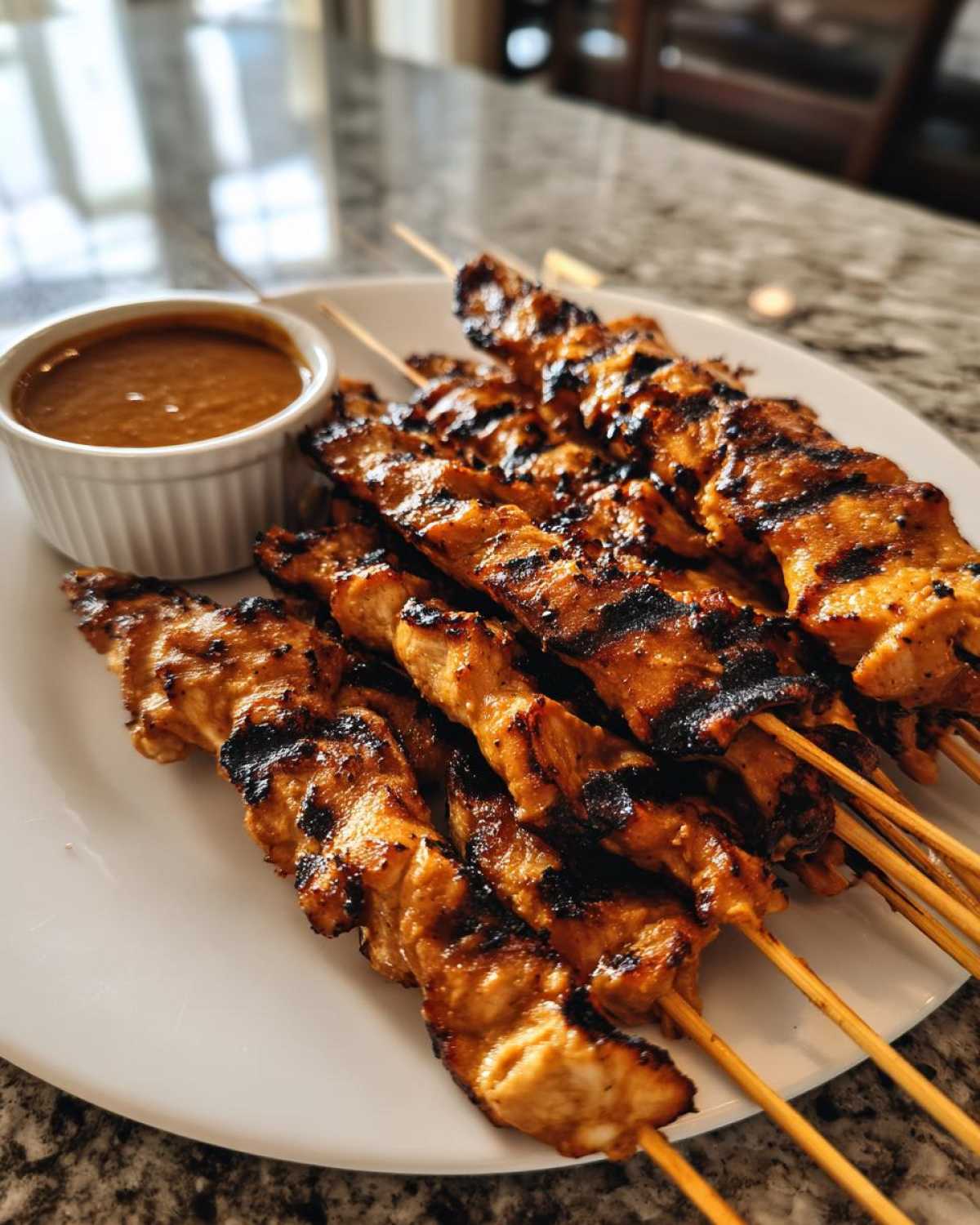
Why This Classic Chicken Satay Recipe Works (E-E-A-T Focus)
I know, I know, everyone has a chicken satay recipe, but mine is different. It really focuses on maximizing flavor and texture, which is why people keep asking for it again and again. We need a method that works every time, whether you’re grilling out for a party or just need a fantastic weeknight backup plan. This recipe has been perfected through trial and error!
- The turmeric and cumin combination in the marinade brings that authentic, earthy street-food flavor that just sings.
- We use an ingredient that acts like a natural tenderizer, which is key to avoiding dry skewers.
- The high-fat nature of the dipping sauce balances out the spice beautifully.
If you are looking for even more deep dives into keeping your chicken juicy, I wrote a whole guide over on my tips page you might love.
Achieving Tender Juicy Chicken Satay
Seriously, coconut milk is your best friend here. It doesn’t just taste good; the fat content helps keep the chicken from seizing up on the grill. You need to let it hang out in that marinade for at least two hours, but honestly, if you can let it go overnight—up to 8 hours—you’ll be rewarded tenfold. That full time commitment pulls the spices right into the meat, ensuring every bite is incredibly flavorful and moist from edge to edge.
Ingredients for Flavorful Chicken Satay and Best Peanut Sauce for Satay
Okay, here is where the real work starts—getting those ingredients ready! Quality matters big time here, especially if you want that amazing chicken satay flavor that tastes like true street food. I always lay everything out before I start mixing, just so I don’t forget that crucial pinch of spice! You can find my detailed guide on how to build the best marinade right over at this link about homemade satay marinade if you need more context.
For the Chicken Satay Marinade
You need about 1.5 pounds of chicken, cut into perfect 1-inch cubes. I like using a mix of breasts and thighs—breasts for leanness, thighs for extra juiciness later on! This blend works so well.
- 1/2 cup full-fat coconut milk—this is non-negotiable for texture!
- 2 tablespoons soy sauce
- 1 tablespoon light brown sugar
- 1 teaspoon ground turmeric (for that classic color!)
- 1 teaspoon ground cumin
- 1/2 teaspoon ground coriander
- 1/4 teaspoon white pepper
- And just a heads up: If you are using wooden skewers, don’t forget to put them in a big bowl of water right now so they soak for at least 30 minutes. If they’re dry, they will absolutely burn on the grill, and we don’t want that!
For the Creamy Peanut Dipping Sauce
This sauce is honestly the star of the whole show. It needs to be thick enough to cling to the chicken but pourable, too. We are making a true, rich, homemade peanut sauce from scratch here!
- 1 full cup of creamy peanut butter (the standard kind is best here)
- 1/2 cup of hot water—this helps melt everything down nicely.
- 1/4 cup coconut milk again, just to keep the flavor profile consistent.
- 3 tablespoons fresh lime juice—don’t skip this acid!
- 2 tablespoons soy sauce or tamari for a salty kick.
- 2 tablespoons brown sugar
- 1 teaspoon fresh grated ginger—fresh, please!
- 1 clove garlic, minced finely.
- 1/2 teaspoon red pepper flakes—adjust this depending on how spicy you like things!
- And this is optional, but if you want that truly authentic savory depth? Use 1 tablespoon of fish sauce. It sounds wild, but trust me, it makes all the difference in achieving the Best Peanut Sauce for Satay.
How to Make Satay at Home: Step-by-Step Instructions
Alright, let’s get cooking! The total active time here is super fast—only about 35 minutes! But remember, the magic happens while the chicken is resting. We’re going from raw ingredients to perfectly charred chicken satay flavor very methodically so nothing burns or tastes bland. You can look at the full detailed steps over at my guide on how to make satay at home.
Marinating the Chicken for Ultimate Flavor
First things first, you’ll take all those marinade spices, the soy sauce, the sugar, and that wonderful coconut milk, and just whisk them together in a bowl. Once it’s all combined, toss in your cubed chicken. Make sure every piece is coated—really work it in there with your hands if you need to! Then, cover that bowl. I mean, really cover it up tight! It needs to chill for a minimum of 2 hours, but seriously, 6 to 8 hours in the fridge is where the flavor really explodes.
Preparing the Homemade Peanut Sauce from Scratch
While the chicken is chilling out, we make the sauce! In a small saucepan, you’re whisking together the peanut butter, all your liquids, the ginger, garlic, and spice flakes. Set it over medium-low heat. Now listen closely: you must stir constantly until it’s smooth and creamy, but you absolutely cannot let it boil! If it boils, the texture changes. Once it’s smooth, take it right off the heat. As it sits and cools down, it’s going to thicken up nicely into that perfect dipping consistency.
Cooking the Grilled Chicken Skewers
Time to cook! Preheat your grill until it’s running steady around medium-high, about 400 degrees F. Thread your marinated chicken pieces onto those soaked skewers, making sure they aren’t packed too tightly together. Grill them for about 4 to 6 minutes on each side. You want those beautiful dark char marks, which really signal that street-food style flavor. If the weather is terrible, don’t worry—you can absolutely use your air fryer set to 375 degrees F and cook them for about 10 to 12 minutes, flipping halfway through until that chicken is cooked perfectly!
Tips for Perfect Chicken Satay Every Time
Even though this recipe is so reliable, there are always little tricks I use to make sure my batch of chicken satay is the absolute best it can be. It’s small tweaks that separate a good plate of appetizers from the ones people talk about for weeks after a party.
Remember those notes I had about substitutions? I stand by the core ingredients, but sometimes you want to lean into a certain regional vibe, right? I can tell you all about adjusting flavors in another post, like my spicy steak one here for some added heat inspiration: spicy thai basil beef, but for satay, it’s all about slight marinade adjustments.
Variations: Thai Chicken Satay vs. Indonesian Satay Chicken
The core recipe I gave you leans slightly toward a generalized Thai flavor profile because of the coconut milk base, but you can push it further! If you want that unmistakable *Thai Chicken Satay* punch, add about a teaspoon of pre-made red curry paste right into your marinade mixture. It adds complexity and a deeper red hue—it’s wonderful.
If you’re aiming for something more Indonesian inspired—which often uses drier spice rubs—you really want to make sure you are hitting those turmeric and cumin notes hard in the marinade, maybe even increasing those by half a teaspoon each. Indonesian style also sometimes skips the heavy coconut milk in the marinade, but I simply can’t bring myself to skip it because it keeps the meat so tender!
And hey, if you decide to try the air fryer method later, remember to check on those gorgeous skewers halfway through so they cook evenly. It’s less hands-on than grilling, but they still come out fantastic!
Serving Suggestions for Your Flavorful Asian Chicken
Once you pull those gorgeous, charred skewers off the heat, the question becomes: what do I serve them with? These aren’t just appetizer skewers; they can absolutely anchor a fantastic weeknight dinner! What I’ve learned is that while the peanut sauce is rich, you need something light on the side to cut through it.
My favorite way to serve them is right over a simple bed of fluffy jasmine rice. The sauce drips down right into the rice, and you end up with this perfect, complete meal. If you’re looking for more vibrant bowl ideas in general, you should check out some inspiration for layering ingredients over on my post about burrito bowls—the concept is similar for building a fantastic plate.
But if you want something truly traditional and fresh, you absolutely must whip up a quick cucumber salad. Just slice cucumbers thinly, toss them with rice vinegar, a tiny pinch of sugar, and maybe a little sliver of red onion. It’s cool, crisp, and it acts like a palate cleanser between bites of the savory chicken.
Honestly, you can serve these tiny flavor bombs with anything. Leftover lettuce? Make lettuce wraps. Have some quick noodles hanging around? Toss them in! Just make sure you have extra peanut sauce for dipping because once people start, they really don’t stop!
Storage and Reheating Instructions for Chicken Satay
So, what happens when you actually have leftovers? Because, let’s be real, that rarely happens at my house, but when it does, we need to handle things right! You cannot just throw the skewers and the sauce together in one container because the texture will get all funky. We need to keep them separate so they are almost as good as fresh when you reheat them.
For the cooked skewers, make sure they are totally cooled down first. Then, I just lay them flat inside an airtight container. If you have to stack them, put a small sheet of parchment paper or wax paper between the layers. That stops them from sticking together, which is super annoying when you just want one or two skewers!
The peanut sauce needs its own spot. It’s fine to store it right in a small, sealed jar in the fridge. Remember how I warned you it gets thick? Don’t panic! That’s normal. If the sauce gets rock solid, just let it sit on the counter for about 30 minutes before you try to use it. If you need to reheat it faster, put just the amount you plan to eat in a tiny saucepan with just a splash of hot water or coconut milk and warm it gently on the stove. Seriously, keep the heat super low!
When it comes time to reheat the actual skewers, the microwave is your enemy—it always makes them tough! Skip it. The best way? If you have an air fryer, pop them in there at about 325 degrees F for just 3 to 5 minutes until they warm through. If you are reheating a big batch, the oven works best. You can spread them out on a baking sheet, maybe even line it with foil, and warm them in a low oven, maybe 300 degrees F, for about 8 to 10 minutes. This helps them warm evenly without drying out too much. For more tips on efficient reheating and making things work for meal prep, I have some good advice on my sheet pan recipes post that applies here too!
Frequently Asked Questions About Chicken Satay Recipe
Can I bake the chicken instead of grilling it?
Oh, absolutely! If you don’t have a grill or the weather is just awful, baking works totally fine, though you won’t get those authentic char marks we love so much. For baking, line a baking sheet with foil or parchment paper, arrange the skewers in a single layer, and bake them at 400 degrees F until they look done and the internal temperature is safe. It usually takes about 15 to 20 minutes. Just watch them closely so the edges don’t dry out before the center cooks!
What if I don’t have fish sauce for the peanut sauce?
Don’t sweat it! Fish sauce provides a salty, slightly fermented depth that really sells the authenticity of the sauce, but if you don’t have it or simply don’t want to use it, you can use a tiny bit more soy sauce or tamari. Just start by adding just half a teaspoon more soy sauce, whisk it in, taste it, and then add more if you feel it needs that salty punch back. It won’t be exactly the same, but it will still be a dreamy, creamy peanut dipping sauce.
Is this recipe better suited for dinner or as appetizer skewers?
This is the beautiful thing—it works perfectly for both! If you’re serving them as an appetizer for a party (and trust me, they disappear fast!), just serve them as they are with little bowls of the sauce on the side. If you are making it a main course, like I mentioned before, serving them over rice or alongside a big fresh salad makes it a complete, satisfying dinner. They are just fantastic appetizer skewers because they are easy to grab and eat!
Why is my peanut sauce grainy instead of smooth?
That almost always comes down to the heat or the peanut butter itself. When you’re heating the sauce, you have to use low heat and whisk constantly! If it gets too hot, the oils can separate a bit, leading to graininess. Also, make sure you are using standard, creamy peanut butter, not natural-style peanut butter where the oil separates easily. For the smoothest results, try running the warm sauce quickly through a food processor or blender right before serving. You might find some extra tips over in my snacks section if this is destined for a party!
Estimated Nutritional Data for Chicken Satay
Okay, let’s talk fuel! I always look at this part with a grain of salt because, let’s be honest, whether you grill it or use the air fryer, and how much of that amazing sauce you pile on, really changes things. But for a general idea, here are the estimated numbers based on the recipe breakdown. This estimate is calculated assuming a serving size of four skewers, which seems like a polite amount, but you might eat more!
Keep in mind these are straight estimates based on the ingredients listed in the recipe card. If you load up on that peanut sauce, your fat and calorie count is going up fast, but wow, is it worth it!
- Serving Size estimate: 4 skewers
- Calories: Around 450
- Fat content: Roughly 28 grams total, with about 10 grams being saturated fat.
- Protein: A whopping 30 grams! Great for feeling full.
- Carbohydrates: About 18 grams.
- Sugar: Closer to 12 grams, mostly from the coconut milk and brown sugar in the marinade and sauce.
- Sodium: This is higher, around 550mg, so keep that in mind if you are watching your salt intake.
Share Your Homemade Chicken Satay Success
Wow, you made it to the end! I hope your kitchen smells incredible right now, all thanks to that beautiful chicken satay and that killer homemade peanut sauce. Seriously, tell me how it went! Don’t be shy!
Did the marinade work its magic? Was the sauce as creamy as you hoped? I need all the details! Please jump down to the comments section right below this and let me know how you rated the recipe. If you tried skipping the fish sauce or maybe went heavy on the lime juice, I want to hear about it so others can learn from your adventure!
And if you ended up snapping a picture of your perfectly grilled skewers—maybe you served them with a bright salad or piled high next to some rice—please share it on social media! Tag me or use the hashtag so I can see your masterful work. You’re officially part of the family now, and I love seeing your creations!
If you’re looking for even more adventures in flavor and want to keep exploring new recipes, you can always swing by my main recipe blog index. Happy cooking, friend!
PrintClassic Chicken Satay with Creamy Thai Peanut Sauce
Follow this detailed guide to make juicy Chicken Satay skewers using a flavorful marinade, served with a rich, homemade Thai-style peanut dipping sauce.
- Prep Time: 20 min
- Cook Time: 15 min
- Total Time: 35 min
- Yield: 4 servings
- Category: Dinner
- Method: Grilling
- Cuisine: Thai
- Diet: Low Fat
Ingredients
- 1.5 lbs boneless, skinless chicken breasts or thighs, cut into 1-inch cubes
- 1/2 cup full-fat coconut milk (for marinade)
- 2 tablespoons soy sauce
- 1 tablespoon brown sugar
- 1 teaspoon ground turmeric
- 1 teaspoon ground cumin
- 1/2 teaspoon ground coriander
- 1/4 teaspoon white pepper
- 10 wooden or metal skewers (if using wood, soak in water for 30 minutes)
- For the Peanut Sauce:
- 1 cup creamy peanut butter
- 1/2 cup hot water
- 1/4 cup coconut milk
- 3 tablespoons lime juice
- 2 tablespoons soy sauce or tamari
- 2 tablespoons brown sugar
- 1 tablespoon fish sauce (optional)
- 1 teaspoon grated fresh ginger
- 1 clove garlic, minced
- 1/2 teaspoon red pepper flakes (adjust to taste)
Instructions
- Combine the marinade ingredients (coconut milk, soy sauce, brown sugar, turmeric, cumin, coriander, and white pepper) in a bowl.
- Add the cubed chicken to the marinade, toss to coat completely, cover, and refrigerate for at least 2 hours, or up to 8 hours for best flavor.
- While the chicken marinates, prepare the peanut sauce. In a medium saucepan, whisk together the peanut butter, hot water, coconut milk, lime juice, soy sauce, brown sugar, fish sauce (if using), ginger, garlic, and red pepper flakes.
- Heat the sauce mixture over medium-low heat, stirring constantly until it is smooth and creamy. Do not boil. Remove from heat and set aside. The sauce will thicken as it cools.
- Preheat your grill to medium-high heat (about 400 degrees F) or preheat your air fryer to 375 degrees F.
- Thread the marinated chicken pieces onto the soaked wooden or metal skewers, leaving a small space between each piece.
- Grill the skewers for 4 to 6 minutes per side, turning occasionally, until the chicken is cooked through and has nice char marks. If air frying, cook for 10 to 12 minutes, flipping halfway.
- Serve the hot Chicken Satay immediately with the homemade creamy peanut sauce for dipping.
Notes
- For extra tender chicken, use chicken thighs instead of breasts.
- If you prefer a Thai style, add 1 teaspoon of red curry paste to the marinade.
- Serve these skewers over jasmine rice or alongside a simple cucumber salad.
- If the peanut sauce becomes too thick upon cooling, whisk in a tablespoon of hot water until you reach your desired consistency.
Nutrition
- Serving Size: 4 skewers
- Calories: 450
- Sugar: 12
- Sodium: 550
- Fat: 28
- Saturated Fat: 10
- Unsaturated Fat: 18
- Trans Fat: 0
- Carbohydrates: 18
- Fiber: 4
- Protein: 30
- Cholesterol: 85