

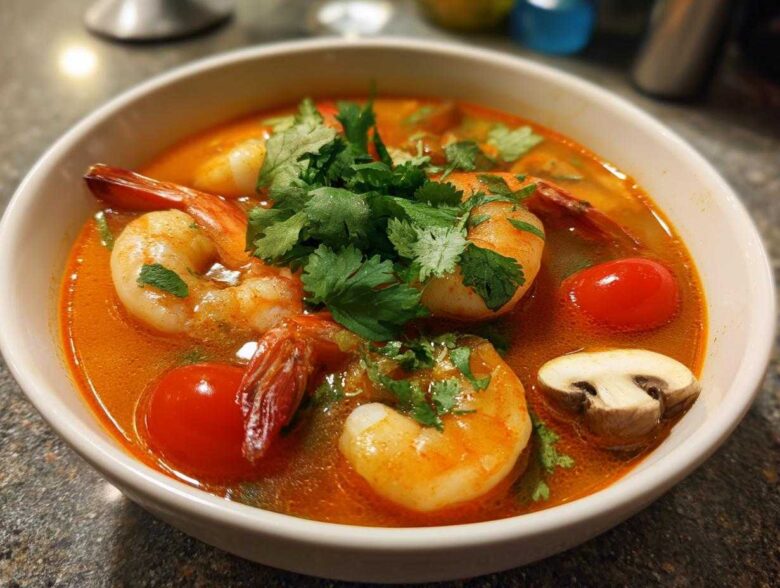
We spent years chasing the perfect composition in graphic design, but honestly, bringing that level of bold, vibrant flavor to our own table felt just as challenging until we cracked the code on this tom yum soup. If you’re craving that electrifying hit of Thai street food—intensely hot, startlingly sour, and impossibly fragrant—but you don’t have hours, this is your headline. This recipe is the cover story for our weeknight cooking because we get that authentic, restaurant-quality hot and sour soup flavor ready in under 35 minutes. It’s messy, it’s intense, and it truly deserves to be the main feature of your evening. To read more about why making food the centerpiece matters to us, check out our story on the About Us page!
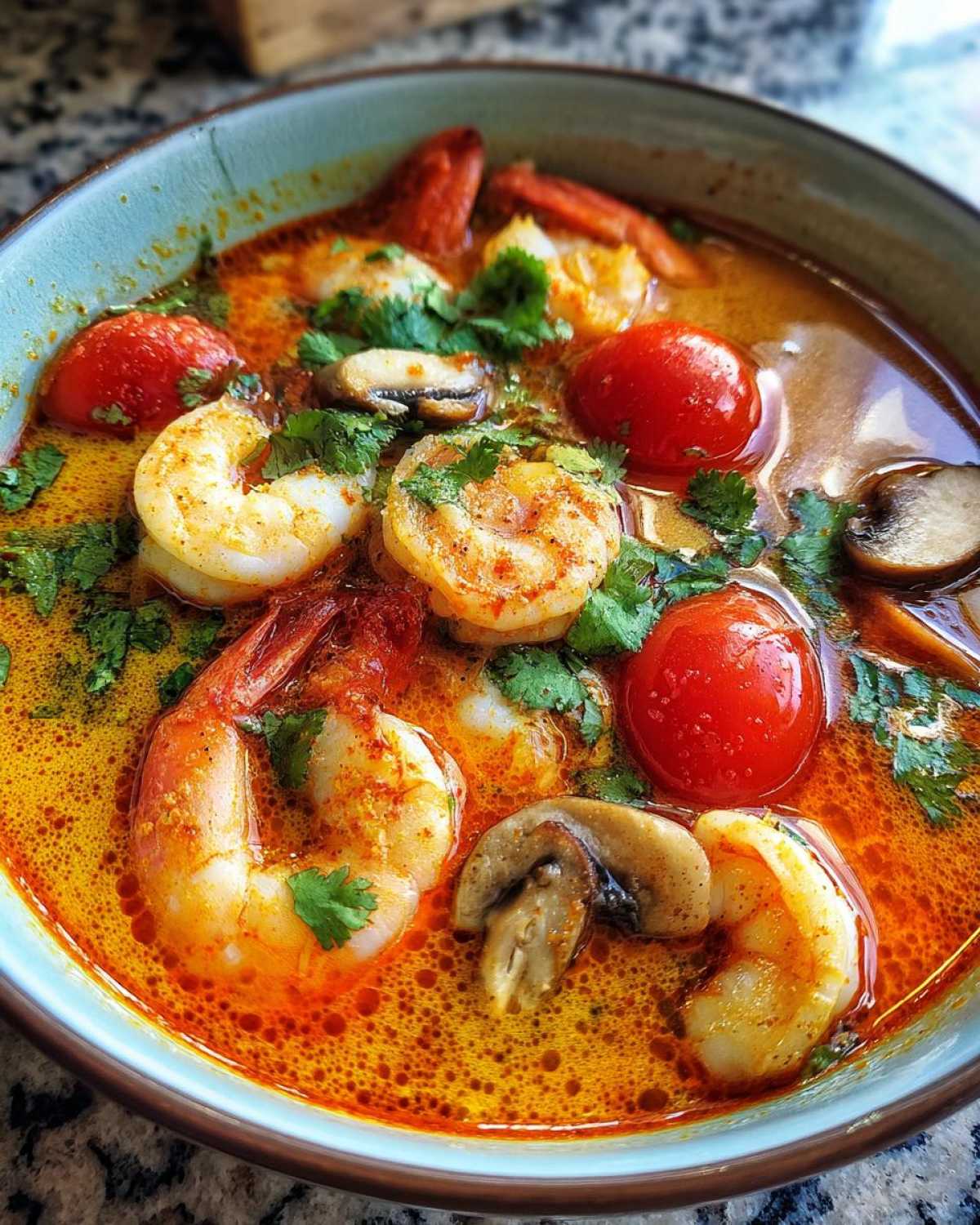
Why This Authentic Tom Yum Soup is Your Next Magazine Meal
We know you’re busy curating color palettes and managing deadlines, so we designed this tom yum soup to work around your schedule, not the other way around. This recipe is all about getting that big, bold Thai flavor without sacrificing your evening. When you taste it, you’ll know why we feature it so often!
- It delivers that essential Thai punch: fragrant herbs meeting intense heat and bright citrus depth.
- It’s incredibly fast—we’re talking soup on the table in about 35 minutes. That’s faster than the delivery app estimate, trust me!
- We use the key elements so you don’t have to compromise on authenticity for speed. If you loved our tips on speedy flavor building in our chicken marinade post, you’ll love how we layer flavor here.
Achieving Perfect Hot and Sour Balance
This is the whole point, right? The soul of any great tom yum soup is that push and pull between the fire and the tartness. Don’t be shy with the fresh lime juice, but always add it right at the end, off the heat. The lime gives you that vibrant sourness that the cooked broth needs, while the chilies—whether you use a few or a handful—provide the signature heat. It takes a tiny taste adjustment, but once you hit that sweet spot, wow, it’s magic.
Quick Preparation for Weeknight Flavor
We timed this rigorously! From chopping the aromatics to ladling the final bowls, you are looking at just 35 minutes total time, which makes this an amazing soup for dinner any Tuesday night. Forget waiting for the weekend to make something exciting. This vibrant soup brings the excitement of Bangkok right to your table fast. It’s proof that you don’t need hours of simmering to achieve depth!
Essential Ingredients for Your Tom Yum Soup Recipe
When we style a photo, we focus on texture and contrast. In this recipe, the ingredients are the same—they provide the contrast that makes this Thai soup pop! You absolutely cannot skip the aromatics if you want the real deal. I’ve laid out everything we use for four perfect servings of this soup. If you’re looking for other flavor foundations, Julian has some great ideas for building flavor profiles in dishes like our cowboy butter dip.
Aromatic Herbs: The Soul of Tom Yum Soup
These three are non-negotiable for true tom yum soup flavor; they are what separates it from just any spicy broth. You need lemongrass, kaffir lime leaves, and galangal. Think of them as our essential styling elements—they create the mood! Lemongrass must be bruised so it releases those gorgeous citrus oils into the broth during the simmer. Kaffir lime leaves need to be torn to help open up their powerful perfume. And while ginger is okay in a pinch, galangal gives that signature earthy-pine note that makes the soup taste truly authentic.
Protein and Vegetables for Tom Yum Goong
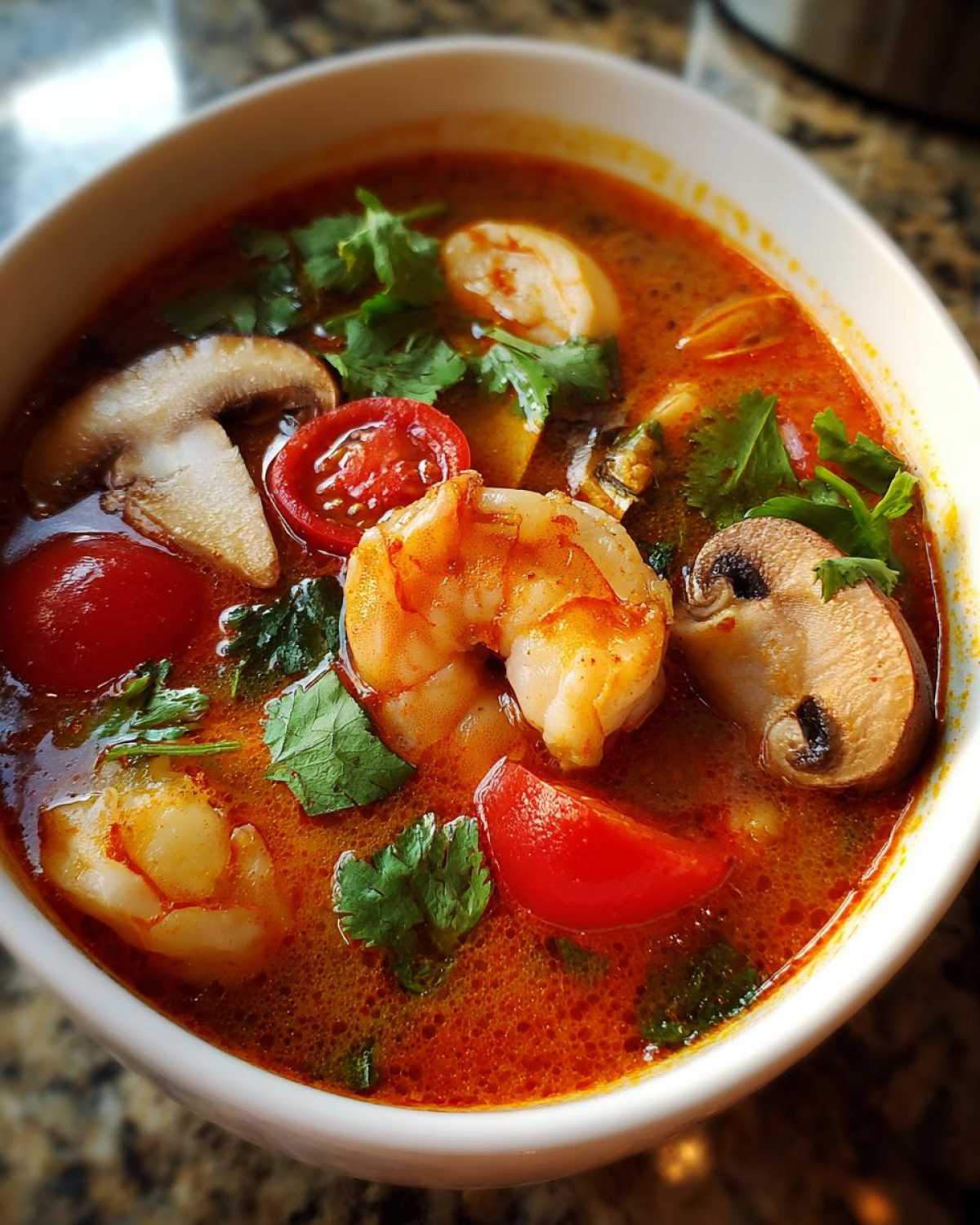
Because we are making Tom Yum Goong, the star here is the shrimp. Make sure yours are peeled and deveined before they hit the pot. We add them last so they stay tender—overcooked shrimp turn rubbery, and we are aiming for tender, not tough! The mushrooms, we use straw or good quality button mushrooms, get halved. We also toss in some cherry tomatoes, halved too. They burst slightly when they cook and add a subtle pop of sweetness right when you need it.
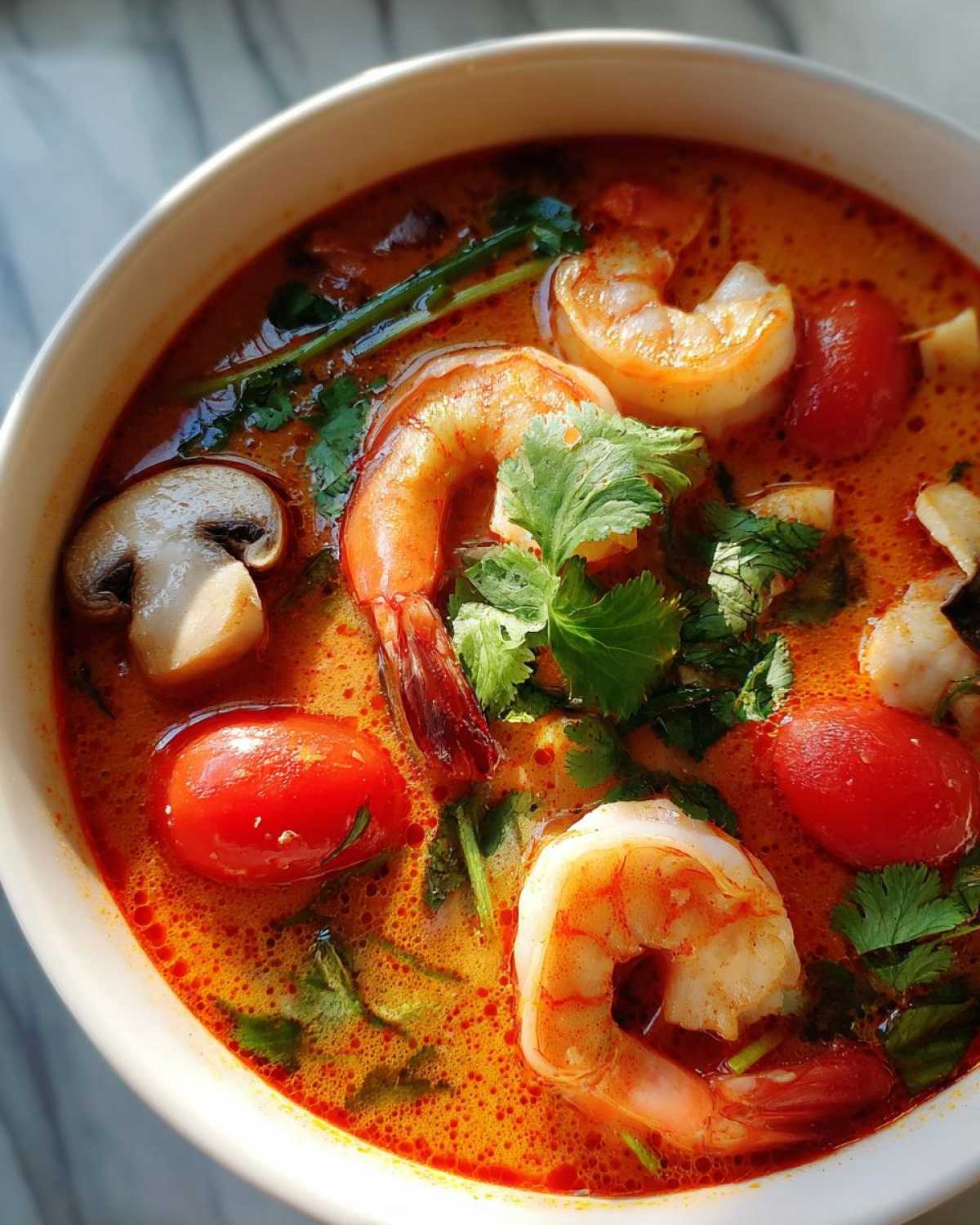
Step-by-Step Instructions for Perfect Tom Yum Soup
Alright, this is where the art direction comes in! Getting the final shot—or in this case, the final bowl of soup—looking and tasting perfect requires method. We aren’t just dumping things in; we’re building flavor layers, which is why this process is broken down so carefully. If you rush the infusion part, your beautiful ingredients won’t sing. If you want help making another quick favorite, check out how we structure flavor in our garlic noodles recipe!
Building the Aromatic Broth Base
First, we establish the foundation. Take your broth, your bruised lemongrass, galangal, and kaffir lime leaves and toss them right into the pot. Bring that whole mixture up to a boil, then immediately dial it back to a gentle simmer. This is the most important part of making authentic tom yum soup! Let those herbs really infuse the stock for a solid 10 minutes. Don’t rush this step; this is where the deep, earthy aroma develops. Once those 10 minutes are up, you need to strain out all the solids—we just want the beautiful, clear, fragrant broth left behind. Return that strained liquid to a clean pot.
Finishing the Hot and Sour Soup
Now that you have your clear, aromatic base simmering gently, stir in your chili paste (Nam Prik Pao) and the crushed Thai chilies so they dissolve and bring the heat. Next, we add the protein! Toss in the shrimp and let them cook for just two or three minutes until they turn perfectly pink. As soon as they look done, kill the heat—seriously, turn the burner off. Now, stir in the fish sauce and the fresh lime juice. This is where you taste, taste, taste. If it feels too tart to your liking, splash in that optional teaspoon of sugar just to round the edges. That final adjustment step guarantees your hot and sour soup tastes exactly right for you!
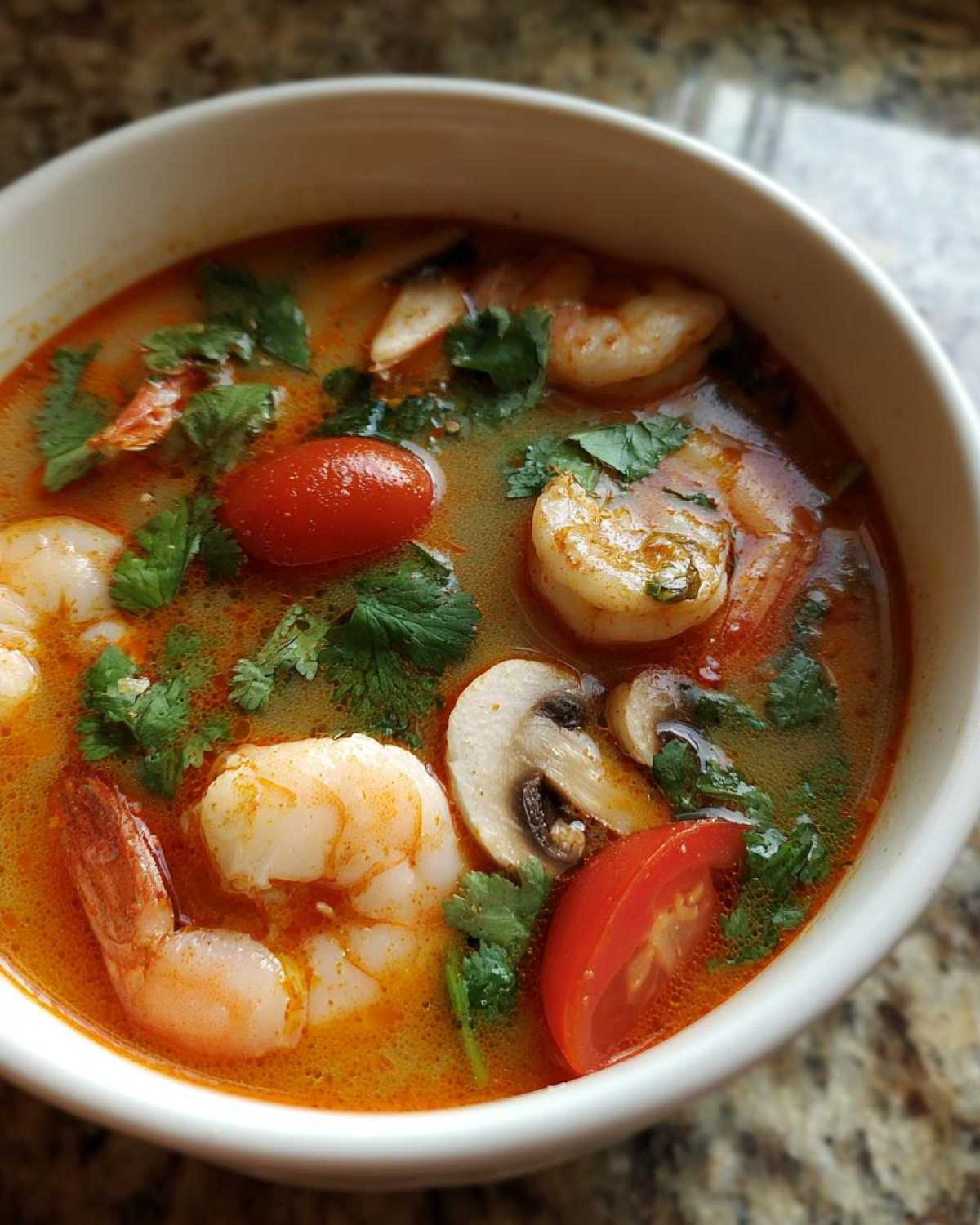
Expert Tips for Restaurant-Quality Tom Yum Soup
To get that intensely layered flavor you’d normally only find in a Thai restaurant, you have to treat those initial aromatics like precious design materials—you need to release their full potential! Julian, my resident Art Director, always stresses that the prep work is where you set the final tone for the whole meal. This vibrant tom yum soup tastes complex, but these little steps are what make the difference between good and unforgettable. If your soup tastes flat, check out this guide for great insights on making authentic Thai soup.
Ingredient Prep Secrets for Maximum Aroma
I mentioned bruising the lemongrass earlier, but let’s focus on that for a second. It’s not just aesthetic; it’s crucial! Use the back of a heavy knife or a rolling pin and smack those stalks a few times until you smell the burst of citrus coming off them. That’s the essential oil escaping! Similarly, don’t just throw the kaffir lime leaves in whole. Tear them right in half before they go into the broth. It exposes more surface area, and bam—instant, brilliant fragrance in your spicy Thai soup.
Adjusting the Classic Tom Yum Soup Profile
After you kill the heat and mix in the lime and fish sauce, you absolutely must taste it. That’s the secret to customizing any great Thai soup recipe. Does your lime make it too sharp? Add half a teaspoon of sugar. Does it need a little more salty punch? A splash more fish sauce! Also, if you happen to try this another night and want a total mood change, stir in about a quarter cup of coconut milk once the pan is off the heat. That makes it Tom Yum Nam Khon—creamy! It’s a gorgeous deviation from the clear broth style, and you can find some inspiration for rich pairings right here.
Variations: Making Vegan Tom Yum Soup or Chicken Tom Yum Soup
We designed this recipe to feature shrimp because Tom Yum Goong is so iconic, but we absolutely refuse to let dietary needs stop anyone from enjoying this flavor profile. That’s the thing about great food design—it should be adaptable! We’ve played around with this broth base to make sure it shines whether you’re using poultry or going completely plant-based. If you’re looking to add more poultry flavor to your rotation, check out Julian’s favorite chicken stir-fry recipe.
For the absolute quickest switch to a different protein, swapping in chicken is super easy. If you want a Chicken Tom Yum Soup (Tom Yum Gai), just substitute the pound of shrimp with about a pound of boneless, skinless chicken breast or thigh, cut into bite-sized pieces. Add the chicken right after you strain the aromatics, just like you would the shrimp. It needs a little longer to cook through—maybe 5 to 7 minutes over a gentle simmer until it’s cooked through, but make sure not to boil it hard!
Now, what about going vegan? This is where we need to be smart about replacing the savory depth that shrimp and traditional fish sauce provide. You can completely nail the Vegan Tom Yum flavor profile. Ditch the shrimp; firm or extra-firm tofu cubes are fantastic here. You just need to press them well first! Then, instead of fish sauce, use a good quality vegan fish sauce—many specialty stores carry soy-based versions that work perfectly. If you can’t find that, just substitute with a little extra soy sauce for saltiness, but taste as you go. The broth base remains the same, focusing on those incredible herbs; you’re just changing the star protein and the salty element. For more inspiration on bold, global flavors, see this amazing guide to authentic Tom Yum Goong!
Serving Suggestions for Your Spicy Soup Dinner
This intensely flavored, aromatic soup is honestly satisfying enough to be the headline of any dinner, but sometimes you want something on the side to soak up all that amazing broth or mellow out the spice just a touch. Since this is already such a robust, flavorful hot and sour soup, you don’t want to compete with it—you want to complement it!
For me, the classic pairing that Julian and I always fall back on is simple, perfectly steamed white jasmine rice. The rice works like a sponge, ready to absorb every last drop of that fragrant, spicy liquid. It lets the soup remain the main feature without needing a heavy side dish to bulk up the meal. Trust me, you’ll want that rice there for the final spoonfuls!
If you’re looking for something a bit fresher to balance the richness and heat, a bright, simple salad is perfect. We regularly whip up a quick shredded carrot salad. It keeps that Asian flavor profile humming along but adds a refreshing, crunchy texture that cuts through the heat beautifully. If you want to see exactly how we style that side dish, check out the recipe for our Asian Ribbon Sesame Lime Salad. It takes about five minutes and looks gorgeous on the plate next to a steaming bowl of soup!
Honestly, that’s all you really need. Keep the sides light, fresh, or starchy to absorb flavor. When the soup itself is this bold, you don’t need five other components on the table!
Storage and Reheating Instructions for Leftover Tom Yum Soup
We’ve learned over time that how you store leftovers can often determine if they get eaten the next day or forgotten in the back of the fridge! Luckily, this tom yum soup reheats really well, but we have to be strategic, especially since shrimp are involved. Our goal is always to preserve that bright, zesty flavor so it still feels like a feature meal the next day.
When we have leftovers, Julian insists on separating the components if we know we’ll have more than two servings. If you can, store the aromatic broth base (everything but the shrimp and mushrooms) in one airtight container and the cooked protein/veg in another. This way, the broth doesn’t get cloudy, and the shrimp don’t get tough.
To reheat, bring the broth back up to that gentle simmer we talked about—don’t fast-boil it! Once it’s hot, add the shrimp and mushrooms back in for just a minute or two until they are warmed through. Since the shrimp cooked quickly the first time, they usually handle a gentle reheating perfectly fine.
If you can’t separate everything, just remember that shrimp will firm up a bit more upon the second heating. Keep the heat low, remove the soup right when it’s steaming, and finish it with a fresh squeeze of lime juice before serving. That little burst of fresh citrus right before eating makes all the difference in reviving that authentic flavor in your leftover tom yum soup!
Frequently Asked Questions About This Thai Soup Recipe
We totally get it—when you’re trying to achieve an authentic Thai recipe, sourcing ingredients can sometimes feel like a second job! If you have questions about achieving that signature flavor or adjusting the heat on this wonderful spicy soup, you came to the right place. We want this to be featured on your table tonight!
Where can I find galangal for authentic tom yum soup?
This is probably the most common question we get about making genuine tom yum soup! You absolutely should check your local Asian grocery store first; they almost always carry fresh galangal root. It looks a bit like pale ginger but has a sharper, more resinous, almost piney smell. If you can’t find it, don’t panic—use fresh ginger! Just know that ginger gives you a warmer, spicier base, whereas galangal gives that cooler, more citrusy, and unique note specific to great Thai cooking. It’s a small flavor shift, but worth noting!
Can I make this hot and sour soup less spicy?
Yes, definitely! Heat control is key for everybody, right? Thai bird’s eye chilies are no joke! If you want the flavor profile of the hot and sour soup without blowing out your palate, use fewer chilies—maybe just two to start. The real secret, though, is to crush them lightly, then scoop out the seeds and the white membrane inside before adding them to the broth. That part holds most of the capsaicin. If you leave the seeds in, that’s when things get serious! For more guidance on bold flavors, peek at this resource about authentic Thai flavor profiles.
You can always add more spice later, but you can’t take it away! If you’re still looking to explore other soups, we have a fun one we think you’ll love on the blog, too: Our classic French Onion Soup.
Next Steps for Your Homemade Thai Food Journey
Well, that’s the layout for our vibrant, speedy, and intensely flavorful tom yum soup! Now comes the best part: turning this recipe into a core memory for your kitchen. We’ve given you the art direction; now we want to see your vision come to life. Did you nail that perfect hot-and-sour balance on your first try? Did you get adventurous with the chili level?
Snap a photo of your finished bowls—make it the cover story of your evening! Tag us in your posts or drop a comment below to let us know how it went. We absolutely live for seeing how other people capture the excitement of making something truly delicious from scratch.
If you loved bringing this taste of Thailand into your home, this is just the start of your culinary feature series here at Magazine Meal. We have so many ideas waiting for you to explore, from flavorful protein preparations to bold side dishes that perfectly complement intense flavors like this amazing soup. Dive into the archives and see what other stories we’re publishing this month by heading over to the main Blog page!
Thanks for flipping through this issue with us. We hope mastering this recipe helps you feel like the editor-in-chief of your own delicious life!
Yours in the making,
Iris & Julian
PrintAuthentic Tom Yum Goong: Quick Hot and Sour Shrimp Soup
Bring the bold, vibrant flavors of Thailand into your kitchen with this easy Tom Yum Goong recipe. You achieve that signature hot and sour balance in under 35 minutes, making it a perfect weeknight Magazine Meal.
- Prep Time: 15 min
- Cook Time: 20 min
- Total Time: 35 min
- Yield: 4 servings
- Category: Soup
- Method: Stovetop Simmering
- Cuisine: Thai
- Diet: Low Fat
Ingredients
- 6 cups Chicken or vegetable broth
- 1 pound large shrimp, peeled and deveined
- 3 stalks lemongrass, tough outer layers removed, cut into 2-inch pieces, and lightly bruised
- 4 slices galangal (or ginger if galangal is unavailable)
- 6 kaffir lime leaves, torn in half to release aroma
- 2-4 Thai bird’s eye chilies, crushed (adjust for your preferred spice level)
- 1/4 cup fish sauce (or vegan fish sauce for a vegetarian option)
- 1/4 cup fresh lime juice
- 1 tablespoon Thai chili paste (Nam Prik Pao)
- 1 cup straw mushrooms or button mushrooms, halved
- 1/2 cup cherry tomatoes, halved
- 1/4 cup fresh cilantro leaves, for garnish
- 1 teaspoon sugar (optional, to balance sourness)
Instructions
- Prepare the aromatic base: In a medium pot, combine the broth, bruised lemongrass, galangal slices, and torn kaffir lime leaves. Bring the mixture to a boil over medium-high heat.
- Simmer the broth: Once boiling, reduce the heat to medium-low and let the broth simmer gently for 10 minutes to infuse the herbs. This step builds your authentic Thai flavor.
- Strain the broth: Carefully strain the broth into a clean pot or bowl, discarding the lemongrass, galangal, and kaffir lime leaves. Return the clear, aromatic broth to the pot.
- Add heat and depth: Bring the broth back to a gentle simmer. Stir in the crushed Thai chilies and the Thai chili paste (Nam Prik Pao). Mix well until the paste dissolves.
- Cook the shrimp: Add the shrimp to the simmering broth. Cook for 2 to 3 minutes, until the shrimp turn pink and opaque. Do not overcook.
- Add vegetables and seasoning: Add the mushrooms and cherry tomatoes. Simmer for 1 minute until the mushrooms soften slightly.
- Finish the soup: Remove the pot from the heat. Stir in the fish sauce and fresh lime juice. Taste the soup; if it needs balancing, add the optional sugar. You are aiming for a perfect hot and sour profile.
- Serve immediately: Ladle the Tom Yum Goong into bowls. Garnish generously with fresh cilantro leaves.
Notes
- For the best flavor, always bruise the lemongrass stalks with the back of a knife before adding them to the broth; this releases the essential oils.
- If you want a creamy Tom Yum (Tom Yum Nam Khon), stir in 1/4 cup of evaporated milk or coconut milk after removing the soup from the heat.
- To make a Vegan Tom Yum, substitute the shrimp with firm tofu cubes and use vegan fish sauce or extra soy sauce for saltiness.
Nutrition
- Serving Size: 1 bowl
- Calories: 180
- Sugar: 4
- Sodium: 850
- Fat: 3
- Saturated Fat: 1
- Unsaturated Fat: 2
- Trans Fat: 0
- Carbohydrates: 12
- Fiber: 1
- Protein: 25
- Cholesterol: 160