

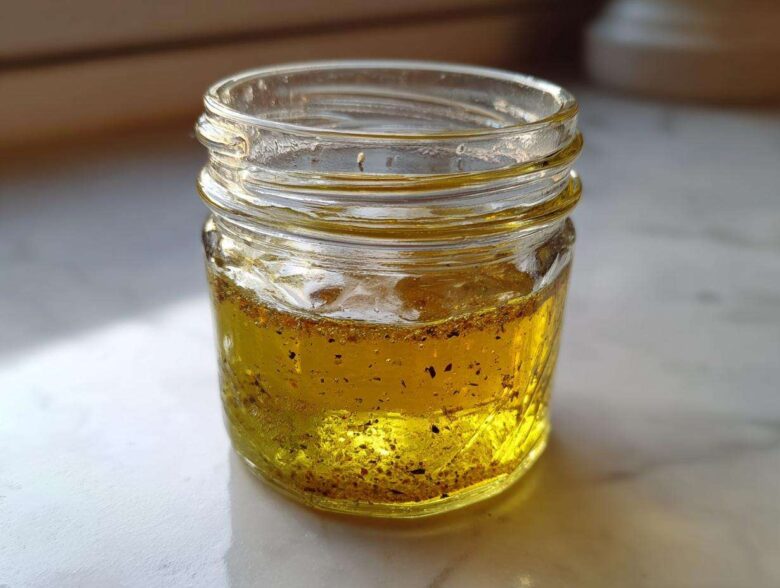
Julian and I used to dread salad night. We’d reach for that sad, thick bottle of dressing sitting in the fridge door, looking utterly exhausted, and just pour it on, hoping it would hide the fact that the greens weren’t exactly crisp. Sound familiar? That’s because most store-bought options are just fillers, stabilizers, and sugar masquerading as flavor. We finally decided that if we were putting effort into making a vibrant, beautiful salad, the crowning jewel—the salad dressing—couldn’t be an afterthought. That’s when we made the switch to homemade salad dressing. Honestly, it changed everything. Suddenly, our quick meals felt intentional, like they deserved to be the headline of the evening. This collection isn’t just recipes; it’s proof that making big, bold flavor from pantry staples is the easiest way to make your meal the feature story of your day. We’re showing you how to take control of your condiments! If you want to know more about our philosophy of making every meal the main feature, check out our About Us page.
Why This Collection of Salad Dressing Recipes Deserves to Be the Feature
I know the temptation to reach for the bottle after a long day. Trust me, we’ve been there! But these recipes are the headliner because they solve the biggest problems store-bought options create. When you commit to making these easy salad dressing recipes, you’re upgrading three crucial things instantly: health, flavor, and cost. We’ve focused on creating healthy salad dressing options using whole, recognizable ingredients. You’ll find these recipes transform the texture and brightness of your plate, making it feel like a gourmet experience, not a compromise.
Quick Salad Dressing: Ready in 5 Minutes or Less
Seriously, this is the fast lane to flavor! Most of these recipes don’t even require turning on the stove. We designed them around the concept of assembly: grab a jar, toss in your oils and acids, seal it tight, and shake like you mean it. That shaking motion—that’s the magic! It quickly creates that beautiful emulsion that tastes exactly like a top-tier restaurant is serving you. You get that amazing result with basically zero passive cooking time.
Making Dressing From Scratch for Better Flavor
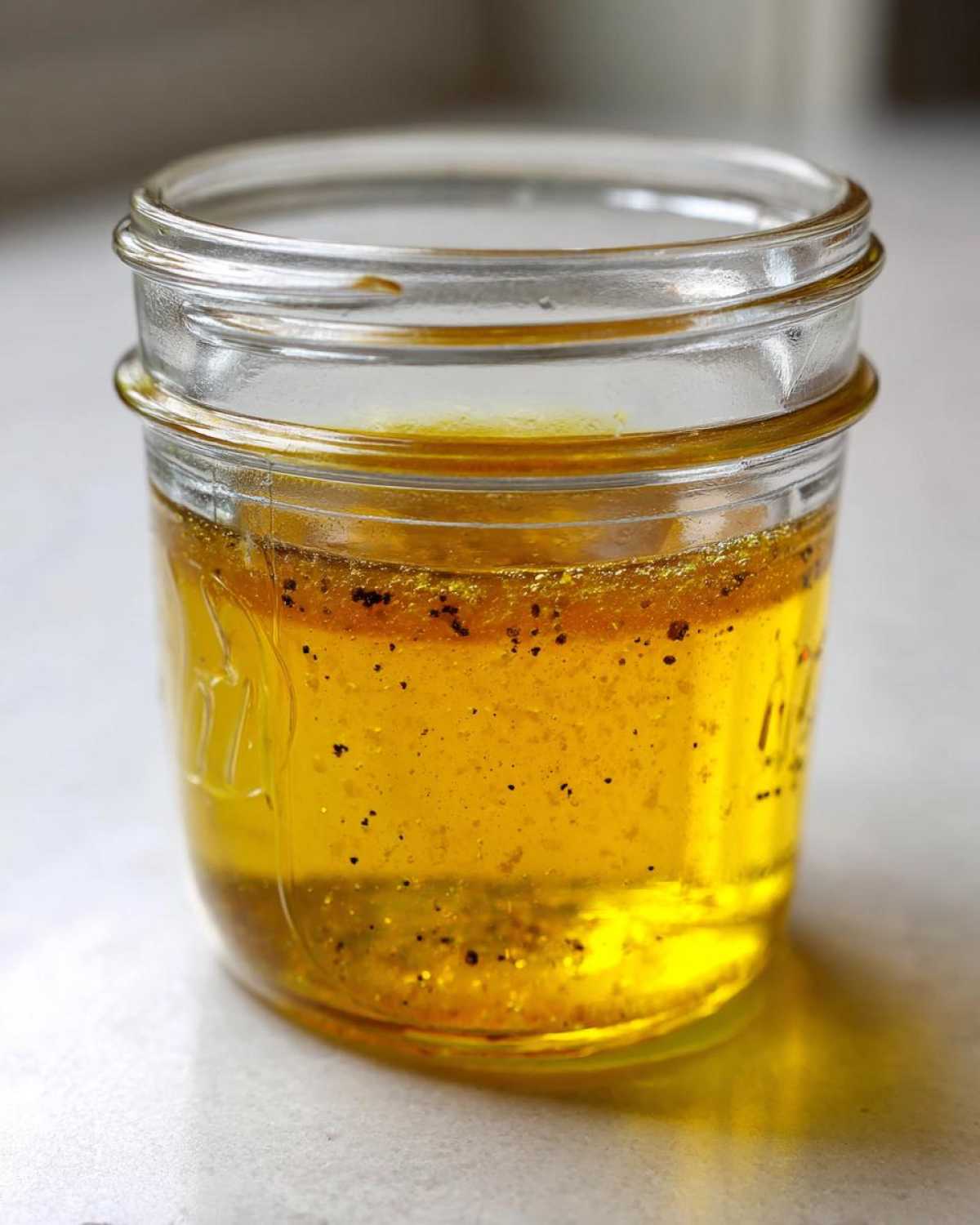
That salty, chemical taste you sometimes get from the grocery store? Gone, gone, gone. When you make dressing from scratch, you control the intensity of the Dijon, the brightness of the acid, and the quality of your olive oil. That’s what separates a sad weeknight salad from one that tastes like a genuine restaurant style salad dressing. Fresh lemon juice simply can’t be replicated by anything bottled. You owe it to those lovely greens to treat them right!
If you want to see some of our other quick flavor fixes, check out how we make other simple homemade condiments. They follow the same easy, no-fuss philosophy!
Essential Ingredients for Any Homemade Salad Dressing
Before we start mixing our four featured recipes, I want to talk about what makes the pantry setup so important. Think of this as setting the stage for your flavor shoot! You don’t need a million fancy jars; you just need the right foundations. Every amazing dressing, whether it’s something sharp like a vinaigrette recipe or something rich, hinges on four main players: Acid, Oil, the Emulsifier, and the Seasoning. Getting these right means you’ll never panic about what’s for dinner!
For the oils, we are serious about Extra Virgin Olive Oil—it’s the backbone! For the acid, that’s where your personality comes in: think tart lemon juice or sharp red wine vinegar. Then you need a little something to hold it all together—that’s the emulsifier, usually Dijon mustard or a creamy base like Greek yogurt. Once you nail those three sections, salt, pepper, and maybe a touch of sweetener is all you need to make magic happen. If you want to see how we use yogurt in other quick recipes, take a peek at our creamy aioli idea!
Ingredient Notes and Substitutions for Your Salad Dressing
Okay, let’s get specific about quality here. When it comes to the olive oil, please use the best stuff you can afford. Since there’s no cooking involved—it’s raw—you need to taste it! A poor-quality oil can make your entire salad dressing taste flat. For sweeteners, I almost always reach for maple syrup over honey because it blends smoother, but honestly, if you are keeping things vegan salad dressing options friendly, maple syrup is your hero ingredient anyway!
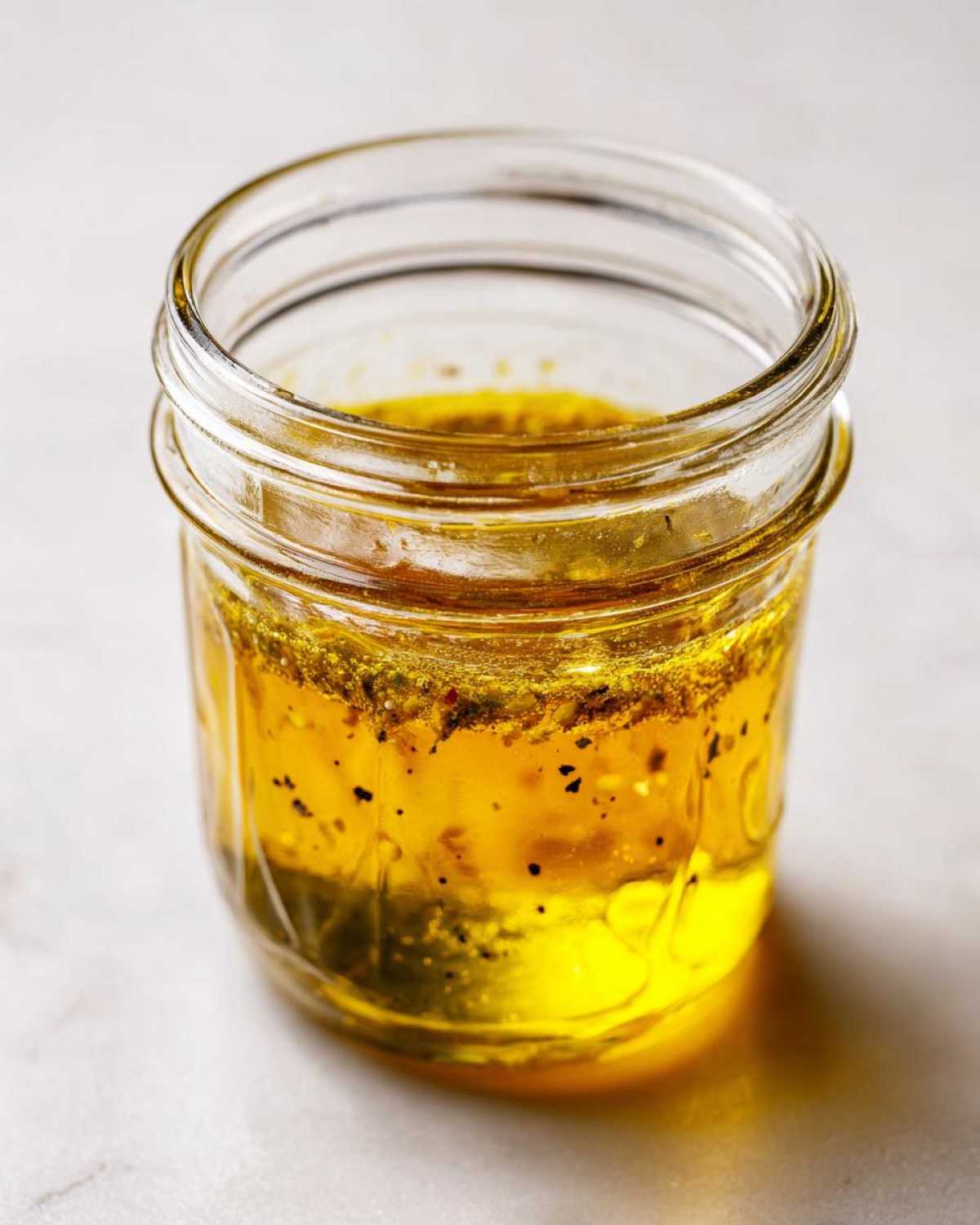
When we make the creamy bases, keeping it vegetarian is super easy. Just swap out the Greek yogurt we used in the creamy base for a good, thick plant-based yogurt, or even silken tofu if you want a lower-fat outcome. The key is consistency—whatever you sub in, make sure it’s thick enough so you aren’t pouring straight water into the mix!
How to Make the Four Core Salad Dressing Recipes
Alright, this is where the real editing happens! We’re moving from set dressing to the main action. I’m going to walk you through the four essential flavor profiles we use constantly. Don’t worry about remembering measurements; just focus on the technique—the whisking, the shaking, the quality blend. These simple methods are the secret sauce behind the best salad dressing you’ll ever have. Once you master these four techniques, you can mix and match herbs forever, creating endless variations of your perfect salad dressing.
Preparing the Classic Vinaigrette Recipe
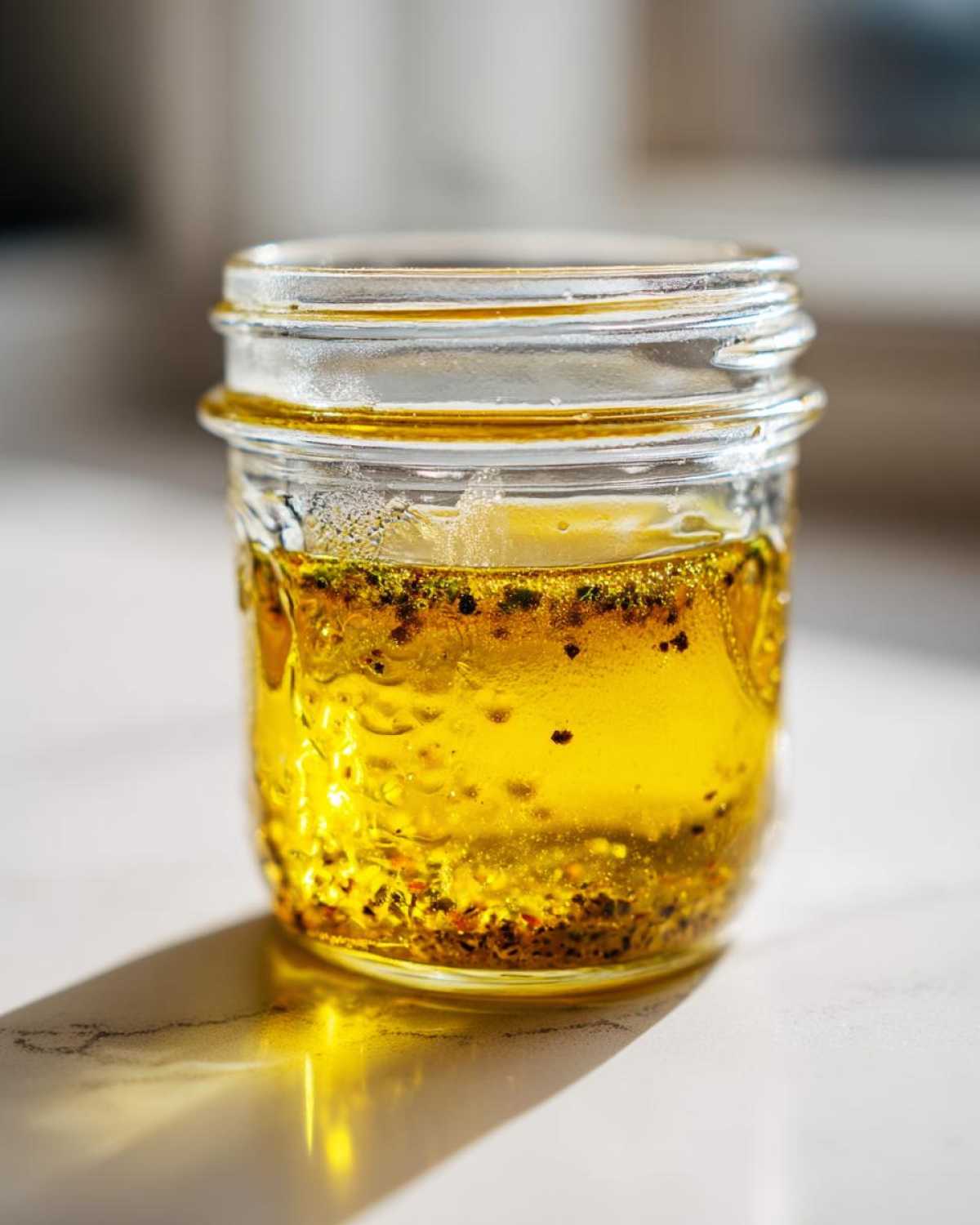
For our everyday vinaigrette recipe, we rely on the jar method. I throw the olive oil, the red wine vinegar, a teaspoon of Dijon, and just a tiny bit of maple syrup into a small jar. Why the jar? Because you need aggressive action to emulsify it! Seal that lid tight—and I mean TIGHT—and shake it until it looks cohesive, not separated, perhaps a solid thirty seconds. We usually stick to the classic three-parts-oil-to-one-part-acid ratio, but don’t be afraid to tweak that acid up if you like things super zesty. A little salt and pepper before you seal it is non-negotiable, folks!
Whipping Up the Creamy Salad Dressing Base
When we want something rich but still relatively light for lunch bowls, we turn to the creamy goodness. This base relies on Greek yogurt, but remember, you want it thick! In a small bowl, I whisk the yogurt vigorously with the lemon juice and minced garlic. The trick to getting a gorgeous, pourable texture without making it too watery is adding the thinning liquid—I use water here—one tablespoon at a time while actively whisking. Keep whisking until the texture is smooth and silken. That’s your ultimate creamy salad dressing template. Seasoning here needs to be bold, especially the dill, so don’t be shy!
Mixing the Bright Lemon Salad Dressing
This is Julian’s go-to when he’s making one of his massive grain bowls. It needs maximum brightness. We use fresh lemon juice—always fresh, never bottled here—and combine it with the olive oil, maple syrup, and a finely minced shallot if we have one lying around. The shallot adds that subtle, sophisticated bite. This is naturally one of the lighter options, leaning toward a low calorie salad dressing profile if you keep the oil measurement precise. Just whisk it until it looks beautifully married together. It just screams fresh!
Assembling the Maple Mustard Dressing
If you love that tangy-sweet kick you find on restaurant salads, you need this one locked down. This moves us directly into the honey mustard dressing family, using maple syrup, of course. I mix the Dijon and maple syrup together first with the cider vinegar before slowly drizzling in the oil while whisking extremely fast. That method ensures you get a proper, slightly thicker texture right away. Taste it right before you think you’re done, because you might want a pinch more salt to balance out that sweet maple hit. It’s pure balance!
If you love dipping things in your creations, check out my recipe for Cowboy Butter; it uses similar emulsion techniques!
Tips for Perfect Homemade Salad Dressing Every Time
Mastering the basics gets you 90% of the way there, but these final tips are what elevate your creation to the best salad dressing status. Remember, these are pantry staple dressings, meaning you should be able to whip one up whenever the urge strikes. My biggest tip, especially for vinaigrettes, is this: taste, taste, taste! Before you pour it on the salad, dip a piece of lettuce in it. If it tastes too sharp, add another small drizzle of olive oil. If it tastes flat, add just a pinch of salt or a tiny squeeze of lemon.
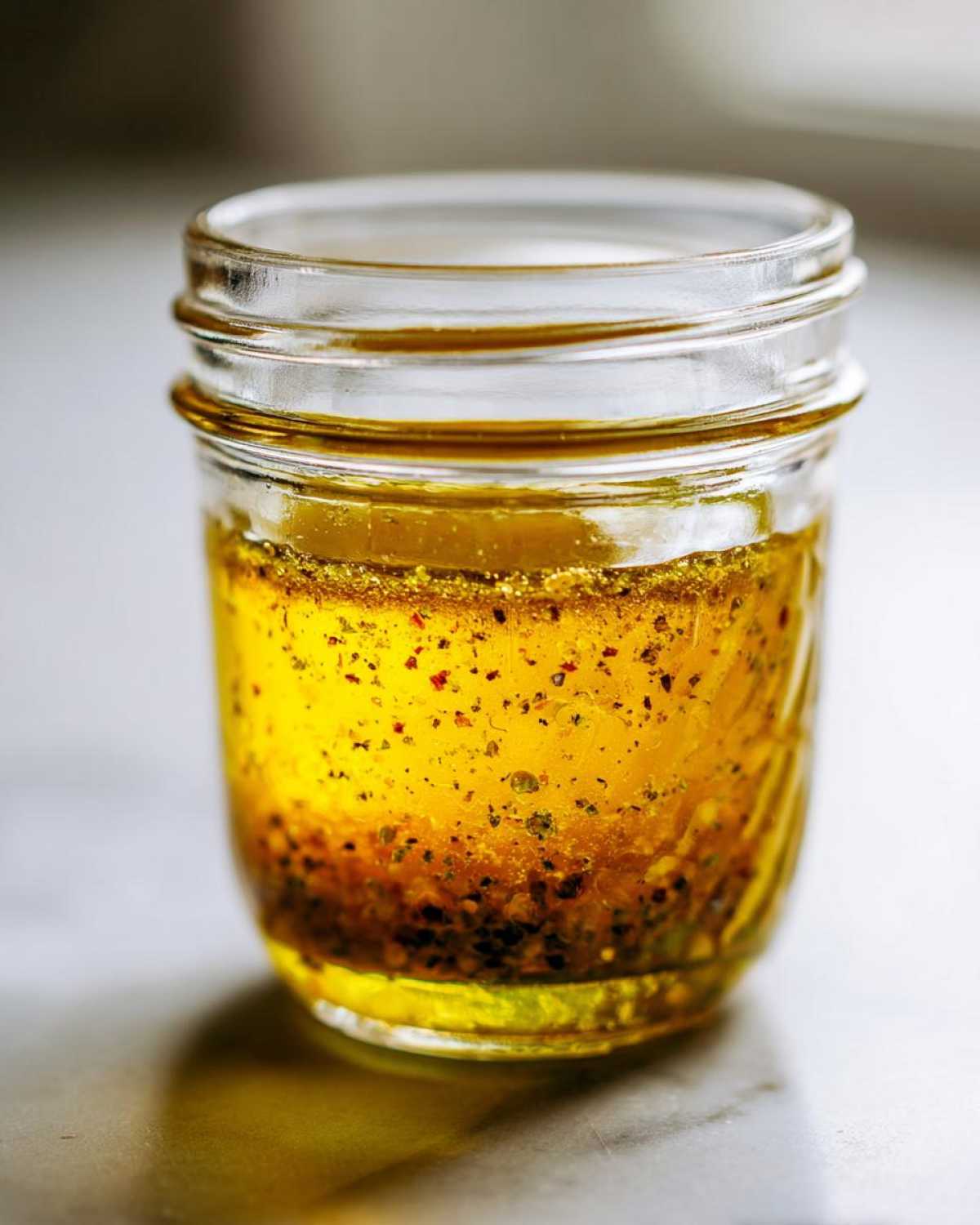
Vinaigrettes especially benefit from a small amount of sweetener because it rounds out the harsh edges of the acid. Don’t skip that half-teaspoon of maple syrup! I also always give the jar a good, hard shake right before serving, even if it’s been sitting only an hour. Freshness counts, and you want that beautifully cloudy, emulsified look.
If you need inspiration for grilling season, check out the flavors in my BBQ sauce recipe—it uses similar balancing techniques!
Storage and Make-Ahead Tips for Your Salad Dressing
This is where we move from the ‘shoot’ to the archive! The absolute best part about mastering these recipes is that they are fantastic for dressings for meal prep. You can make a double batch of the creamy base on Sunday, and it will last easily all week long in an airtight container in the fridge. Vinaigrettes last even longer because they are mostly oil and vinegar, but for the freshest taste, I aim to use those within ten days.
Now, if your vinaigrette solidifies or separates after chilling—don’t panic! That’s just the olive oil getting grumpy in the cold. Just let it sit on the counter for 15 minutes to warm up slightly, then seal that jar tightly and shake it until it comes back together. It’s like magic, but it’s just science!
Variations: Flavor Twists for Your Go-To Salad Dressing
Now that you have the foundations for the basic vinaigrette and the creamy base down, this is where you get to step into the Art Director role, Julian style! Customizing your salad dressing is where the real fun starts. You don’t need a whole new recipe book; you just need a few inspired additions to these core templates. Imagine the possibilities!
Take that bright Lemon Dressing we mixed up—if you add a tiny bit of anchovy paste and some grated Parmesan (the real stuff, please!), boom, you’ve basically got the beginnings of a killer caesar dressing recipe. It’s about layering those savory, umami notes onto your bright citrus foundation. See how easy that is?
For the creamy base, the yogurt version is begging for herbs to become a classic ranch dressing homemade style. I usually toss in a good shake of onion powder, garlic powder, fresh chives, and dried parsley. If you want it super thick, use less water when thinning it out, maybe even using buttermilk if you have it, which gives it that classic tang. This allows you to keep that healthy salad dressing profile while hitting all those familiar, comforting flavor points. It feels like cheating, but I promise it’s just smart editing!
And don’t forget the Maple Mustard! If you want a slightly more herbaceous note, try roasting your Dijon mustard under the broiler for just a minute before mixing it in—it deepens the flavor profile immensely. Or, for a completely different spin, add a teaspoon of finely minced chipotle in adobo sauce to the vinaigrette for a smoky kick. These versatile ideas mean you’ll never get bored with salad again. If you’re looking for other ways to get big flavor with minimal effort, check out how we nail restaurant-style appetizers!
Serving Suggestions for These Versatile Salad Dressings
Okay, we spent all this time making something this delicious—it deserves more than just lettuce, right? Absolutely! The Maple Mustard dressing is amazing drizzled over roasted sweet potatoes or broccoli, straight out of the oven. Use that thick Creamy Base we made as a fantastic, slightly tangy spread on a turkey sandwich or even as a dip for raw carrots and celery.
And that bright Lemon Dressing? I use it to marinate chicken breasts before grilling! Honestly, once you have these simple bases, they transform everything from grain bowls to your air fryer potatoes. Don’t keep these flavor boosters locked down to just salads!
Frequently Asked Questions About Homemade Salad Dressing
How long do homemade salad dressing recipes last in the fridge?
This honestly depends on what’s in it, but generally, I tell people to aim for about one week for anything with fresh dairy or fresh herbs, like our creamy salad dressing base. If it’s just oil, vinegar, and mustard—a pure vinaigrette—it can hang out in there for two weeks, easy. Just give anything you pull straight from the cold a good, aggressive shake before serving. When in doubt, give it a quick smell test; if it smells off, toss it. Better safe than sorry!
Can I make a vegan salad dressing using these bases?
Yes! That’s the beauty of keeping things simple. For the creamy base, you can skip the Greek yogurt entirely and use thick, unsweetened plant-based yogurt, or even blend in some soaked cashews or tofu for richness. And hey, if you are making any of the vinaigrettes, remember we already use maple syrup as a neutral sweetener, which is perfect for keeping things vegan-friendly. Most of these are easily adapted without losing any of that great flavor!
Why is my vinaigrette separating?
Oh, that’s the most common little drama! That’s just emulsification failure, darling. Oil and vinegar naturally want to part ways. It doesn’t mean you did anything wrong; it just means they need a little physical persuasion to stay together. The fix is so easy: seal that jar up tight and just shake it like you’re trying to win a prize inside! A very hard, quick shake usually gets that classic salad dressing to look beautiful and cohesive again. If you’re looking for more technical info on cooking topics, feel free to browse the general articles on our blog!
Estimated Nutritional Snapshot for a Typical Salad Dressing Serving
Okay, so when we talk about making things healthy, we also need to be aware of what we’re pouring! Since this is a roundup of several different recipes—some creamy, some pure vinaigrette—the numbers change depending on which one you mix up that day. I always tell Julian that our homemade versions are leaps and bounds ahead of the bottled stuff, but you still need to pour responsibly!
What you see below is an estimate based on roughly a two-tablespoon serving size from the base recipes provided in this feature. Please take these numbers as a helpful guide rather than a strict editorial mandate, because if you double your olive oil or use honey instead of maple, the counts will shift. This is where you become the final editor of your own plate!
- Serving Size: 2 tbsp
- Calories: Approx. 120
- Fat: Approx. 13g
- Saturated Fat: Approx. 2g
- Carbohydrates: Approx. 2g
- Sugar: Approx. 2g
- Protein: Approx. 1g
Remember, the beauty of homemade is that if you substitute the oil with water for a lighter base, or use low-fat yogurt, you drastically change these numbers for the better! These figures reflect a slightly richer, standard mixture, showcasing how simple ingredients result in vibrant flavor without excessive fillers.
Print10 Easy Homemade Salad Dressing Recipes: Vinaigrette, Creamy, Healthy & Flavor Twists
Stop buying store-bought dressings! Discover 10 easy, healthy homemade salad dressing recipes, including classic vinaigrette, creamy options, and flavor twists like Lemon and Maple Mustard. Make restaurant-style flavor from simple pantry staples in minutes.
- Prep Time: 5 min
- Cook Time: 0 min
- Total Time: 5 min
- Yield: Varies (approx. 1 cup per recipe)
- Category: Condiment
- Method: Whisking/Shaking
- Cuisine: American
- Diet: Vegetarian
Ingredients
- For the Classic Vinaigrette: 3 tablespoons extra virgin olive oil
- 1 tablespoon red wine vinegar
- 1 teaspoon Dijon mustard
- 1/2 teaspoon honey or maple syrup
- Salt and black pepper to taste
- For the Creamy Dressing Base: 1/2 cup plain Greek yogurt (or vegan alternative)
- 1/4 cup water (or more for thinning)
- 1 tablespoon lemon juice
- 1 clove garlic, minced
- 1/2 teaspoon dried dill
- Salt and pepper to taste
- For the Lemon Dressing: 1/4 cup fresh lemon juice
- 1/2 cup olive oil
- 1 teaspoon maple syrup
- 1 small shallot, finely minced (optional)
- For the Maple Mustard: 1/4 cup olive oil
- 2 tablespoons apple cider vinegar
- 1 tablespoon maple syrup
- 1 tablespoon Dijon mustard
- Salt and pepper to taste
Instructions
- Prepare the Classic Vinaigrette: Combine olive oil, red wine vinegar, Dijon mustard, and honey/maple syrup in a small jar. Seal the jar tightly and shake vigorously until the dressing emulsifies. Season with salt and pepper.
- Make the Creamy Dressing Base: In a small bowl, whisk together the Greek yogurt, water, lemon juice, minced garlic, and dried dill until smooth. Add more water slowly if you prefer a thinner consistency. Season well.
- Whip up the Lemon Dressing: In a jar or bowl, combine the fresh lemon juice, olive oil, maple syrup, and minced shallot. Whisk or shake until fully combined and slightly thickened. This is your bright, zesty option.
- Mix the Maple Mustard: In a small bowl, combine the olive oil, apple cider vinegar, maple syrup, and Dijon mustard. Whisk constantly until the mixture thickens slightly. Taste and adjust seasoning.
- For the remaining 6 recipes (e.g., Caesar, Ranch, Greek, etc.), follow the specific instructions provided in the full feature article, generally involving blending or whisking ingredients until smooth.
- Store all dressings in airtight containers in the refrigerator. Allow vinaigrettes to come to room temperature or shake well before serving.
Notes
- For best results with vinaigrettes, use a ratio of 3 parts oil to 1 part acid, adjusting to your preference.
- If your vinaigrette separates, shake it hard or whisk it again just before pouring over your salad.
- These homemade salad dressing recipes are excellent for meal prep and should last up to one week in the refrigerator.
- To make any creamy dressing low calorie, substitute half the oil with water or low-fat buttermilk.
Nutrition
- Serving Size: 2 tbsp
- Calories: 120
- Sugar: 2
- Sodium: 150
- Fat: 13
- Saturated Fat: 2
- Unsaturated Fat: 11
- Trans Fat: 0
- Carbohydrates: 2
- Fiber: 0
- Protein: 1
- Cholesterol: 0