

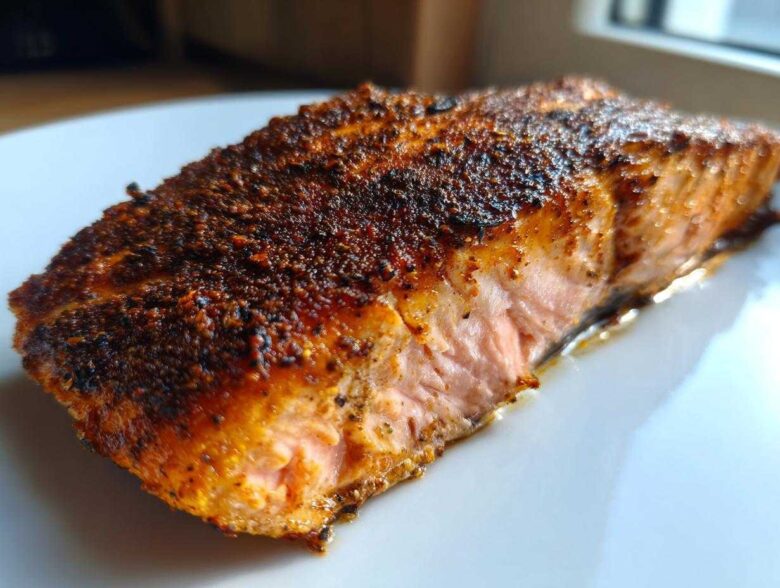
You know how sometimes you crave that deep, smoky, perfectly spiced restaurant flavor but only have fifteen minutes before you have to run out the door? That’s exactly why Julian and I developed this blackened salmon recipe. We transferred the intentionality we brought from our design and photography work into the kitchen (you can read more about our approach over here), making sure this quick seafood recipe hits all the right notes. Forget bland fish; this technique locks in moisture while delivering the signature dark, spicy crust that makes people think you ordered this out. It’s seriously the best way to make salmon.
Why This Classic Pan-Seared Blackened Salmon Recipe is Your New Go-To
When we first started testing this recipe, we were obsessed with getting that restaurant-quality look without sacrificing flavor or time. This easy blackened salmon delivers on all fronts. It’s flavorful, packed with protein, and it looks absolutely stunning on the plate. Honestly, sometimes I think the crust is almost better than the fish itself!
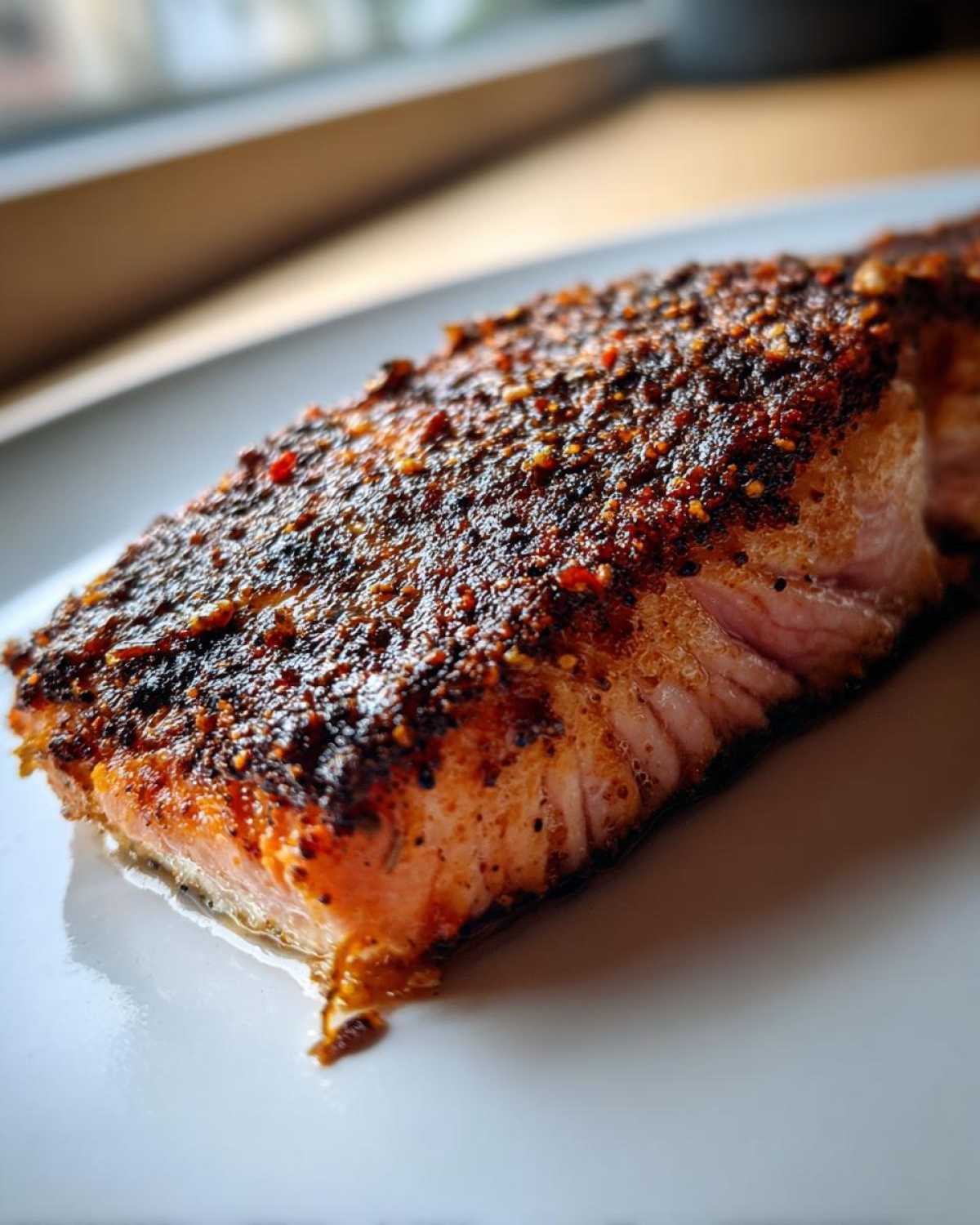
- We perfected the seasoning ratios over several late nights—no more guesswork! It gives you the exact bold, spicy flavor you’re looking for.
- It clocks in at basically a 20 minute salmon dinner, which is why we always have the ingredients stocked now.
Achieving the Perfect Spicy Salmon Crust
The secret to that signature dark, almost charred look of authentic blackened salmon isn’t about burning the fish; it’s about heat management and the spice blend. We found that using smoked paprika and just the right amount of cayenne, combined with searing the fish hot and fast in cast iron, creates a rock-hard crust that seals in all the incredible juices. Seriously, don’t skip pressing those spices in!
A Truly Healthy Salmon Dinner Ready Fast
This is exactly the kind of dish we reach for when we need satisfying weeknight salmon meals. Since it’s primarily just fish and spices—and fits right into our low carb salmon dinner plan—we feel great serving it. It’s such a simple, healthy salmon dinner that doesn’t taste like you skimped on flavor to save time.
How to Make Blackened Seasoning: The Best Salmon Spice Blend
If you want perfect blackened salmon, you absolutely have to ditch the bottled stuff. Seriously, Julian and I went down the rabbit hole testing spice ratios until we landed on what I now call the best salmon spice blend. It’s all about the proportions—you need enough herbs to smell fragrant but enough paprika and pepper to create that deep color.
This is where the magic happens. Getting how to make blackened seasoning down cold makes your whole 20-minute night go smoother. We use smoked paprika (not sweet or hot!), garlic and onion powder for the base, and a touch of cumin to give it depth. It smells incredible even before it hits the pan!
Now, let’s talk heat. That cayenne pepper is your control dial. For a mild experience, maybe use just a pinch, or skip it entirely if you’re sensitive. But for that true, exciting punch that grabs your attention? Keep the measurement as listed, or even push it a little further if you’re feeling brave. Remember, this blend is what creates that gorgeous spicy crust, so don’t be shy when you’re coating the fish!
Gathering Ingredients for Your Blackened Salmon
Okay, let’s prep the scene! When you’re cooking fast, having everything measured out first—what Julian calls ‘mise en place’—is non-negotiable. Since this is such a simple, healthy salmon dinner, we don’t have a lot of components, but the quality really matters here.
For the fish itself, you’ll need four fillets, generally around 6 ounces each. If you prefer skin-on for that extra crispy texture, go for it! We often use skin-off because it makes it easier to press the seasoning all over when we are going for that full crust, but either works perfectly fine for this quick seafood recipe.
The oil is important too. We use a high-heat oil, so either olive oil or avocado oil is what we reach for. You need just enough to coat the bottom of that hot skillet, but don’t skimp, because the oil helps transfer that intense heat to create the crust! Every measurement here is designed to give you that restaurant-style flaky salmon fillet without endless measuring.
- Four 6-ounce salmon fillets (skin on or off—your call!)
- 2 tablespoons of good cooking oil—we lean toward olive oil or avocado oil for high heat here.
- The Seasoning Blend (We mix this separately, remember?): 1 tbsp smoked paprika, 1 tbsp onion powder, 1 tbsp garlic powder.
- Herbs: 1 teaspoon dried oregano and 1 teaspoon dried thyme.
- Heat Makers: 1 teaspoon of salt, 1 teaspoon of black pepper, and that all-important 1 teaspoon of cayenne pepper (you can taste-test this part, remember!).
- And just a touch of earthiness with 1/4 teaspoon ground cumin.
See? It’s all clean ingredients, ready for assembly. Once you have these laid out, you’re basically done with the prep work for this amazing pan seared salmon!
Step-by-Step Instructions for Pan Seared Blackened Salmon
Alright, the moment of truth! We have our amazing homemade seasoning ready, and the fish is waiting. Julian always says that cooking this recipe is like a quick photoshoot—you only get one shot to nail the lighting, or in this case, the crust! Following these steps carefully is what separates a slightly seasoned fish from true, restaurant-style pan seared salmon.
The most critical piece is getting that cast iron skillet screaming hot. We’re talking medium-high heat. You want the oil shimmering so much it looks nervous. This intense heat is the secret weapon behind the incredible blackened fish technique; it instantly sets that spice blend into a crust without overcooking the middle.
Seasoning and Preparing the Fillets
First things first: moisture is the enemy of crust development. Take your salmon fillets and pat them really, *really* dry with paper towels. I mean absorb every bit of humidity, okay? Once they are bone-dry, grab that beautiful spice mix we talked about. You want to be generous here—I mean, really blanket the entire surface of the fish. Then, use the flat of your hand or the back of a spoon to press the seasoning firmly into the flesh. We aren’t just sprinkling; we are cementing that gorgeous, vibrant spice blend onto the fish so it stays put when it hits that hot oil.
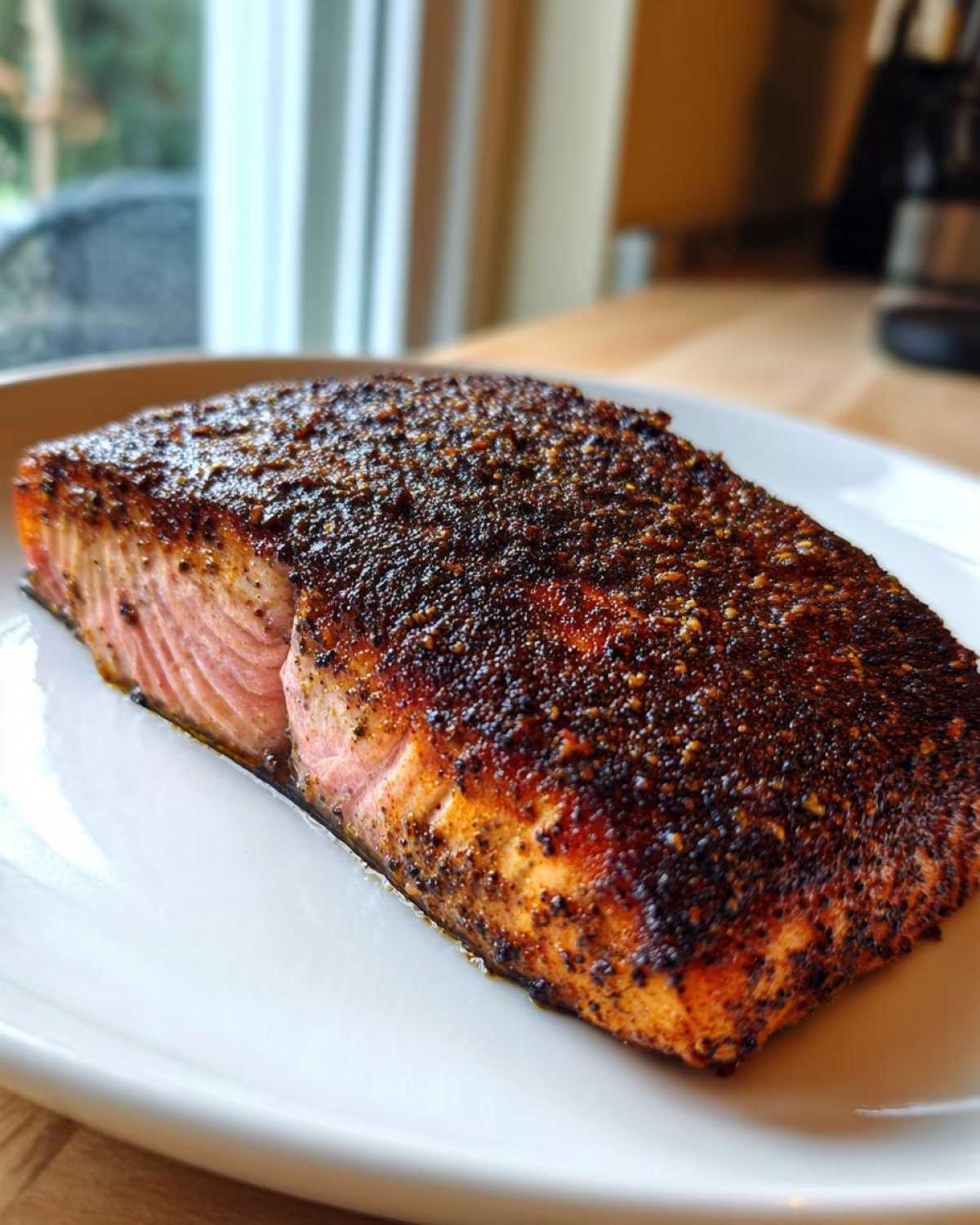
The Searing Process for a Flaky Salmon Fillet
Carefully lay your seasoned fillets presentation-side down into that shimmering hot oil. If you hear an immediate, enthusiastic sizzle, you nailed the heat! Now, this is where patience comes in. You absolutely cannot touch these fillets for a solid 3 to 4 minutes. Let the heat do its work and build that dark crust. Once that time is up, check gently; if it resists lifting, let it go another minute.
Flip them over. Reduce your heat just slightly to medium so you don’t scorch the spices while the interior finishes cooking. It usually takes another 3 to 5 minutes, depending on thickness. We’re aiming for the center to reach 145°F for that perfect, melt-in-your-mouth, flaky salmon fillet. If you want to dip it in something amazing afterward, check out my notes on my Cowboy Butter—it’s surprisingly great with fish!
Tips for Perfect Blackened Salmon Every Time
Even though this is a quick recipe, getting that perfect crust without turning dinner into charcoal requires a couple of tricks we learned the hard way. When we were first learning the true blackened fish technique, we ruined more than one beautiful fillet by having the pan just slightly too cool. Don’t let that happen to you!
The very first thing you need is the right piece of real estate. You simply must use a heavy skillet. Cast iron is my absolute favorite here; it holds heat so consistently that when you lay that seasoned fish down, the temperature barely dips. This consistent, high heat is what gives you that deep color and seals everything up.
Another thing I’ve noticed is technique when applying the seasoning. If you just gently sprinkle the spices on top, they’ll mix with the oil and essentially turn into a paste that burns easily. You have to press it in! We mean really press it. Think of it like wallpapering; you want zero air bubbles between the spice and the fish so that the crust forms directly on the **blackened salmon** surface, not floating a millimeter above it.
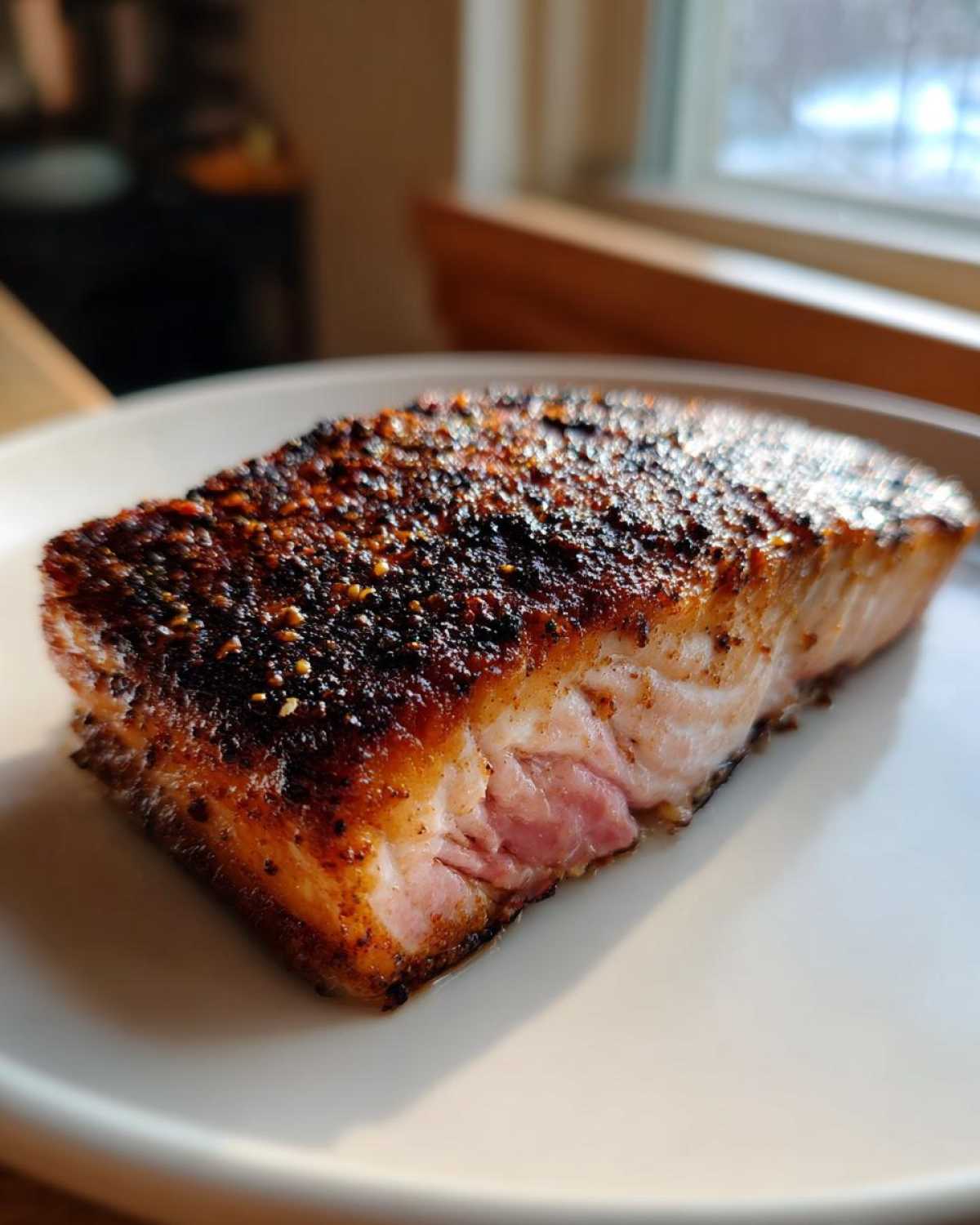
Do you know how to tell if you are getting too much smoke? Blackening creates smoke—that’s part of the deal—but if you see huge, thick plumes of black smoke, your heat is probably too high, and you risk burning the cayenne and pepper components prematurely. If you smell burning versus just that intense, smoky aroma, drop the heat down just a hair. That sweet spot is when you get that deep, coffee-colored crust that is incredibly flavorful but doesn’t taste bitter.
To keep the inside moist, remember what I said about patting it dry? That’s key! But also, measure your thickness. If you have very thick fillets, you might want to start the sear at medium heat for 30 seconds longer, then drop it back to medium/medium-high so the middle has time to gently cook through before the crust suffocates it totally. If you end up with leftovers (lucky you!), skip the microwave for reheating. A quick warm-up in a non-stick pan with maybe a teaspoon of water on the side helps steam it just enough to keep it flaky. Speaking of pairings, if you need something creamy to cut through that spice, try pairing it with a dollop of my 5-Minute Creamy Garlic Aioli! Julian loves using that on his leftovers, though I tend to just eat them cold straight from the fridge, honestly.
If you’re looking for other takes on this smoky flavor profile, check out The Wooden Skillet’s take—it’s always fun to see how other editors style their main features!
Alternative Cooking Methods for Blackened Salmon
I love the drama and sizzle of using the cast iron for my blackened salmon, but let’s be real—sometimes the stovetop just isn’t practical, especially if you’re trying to manage all our sides cooking at once. The beauty of a great seasoning blend, like the one we crafted, is that it works wonders across different appliances. You get great results even when you skip the traditional sear!
If you want to keep the oven free for roasting vegetables or perhaps some potatoes, the oven baked blackened salmon method is fantastic. You still need to be generous with the spice rub because the dry heat doesn’t quite achieve the same instant crust as searing oil. We bake ours at 400°F, and you’ll need about 12 to 15 minutes. It yields a slightly softer spice layer, but the inside stays unbelievably tender. It’s a real winner for a healthy salmon dinner that just needs less active cooking time.
For those of you who love speed *and* hate scrubbing pans clean, the air fryer blackened salmon route is incredible. Honestly, I was skeptical at first, but the circulating hot air seems to crisp up the spice blend beautifully. I set mine to 380°F for about 10 to 12 minutes, again depending on the thickness of your fillet. What’s great here is that you use almost no added fat, making it even lighter! If you’re curious about more air fryer magic, I recently made an amazing Air Fryer Gnocchi that you should check out for a side dish!
No matter which path you choose—stovetop, oven, or air fryer—just remember to prep that spice blend ahead of time. It turns any method into a faster, more flavorful experience. If you want to see another great approach to baking the fish with that spicy kick, check out what the folks at Talking to the Oven are doing with their baked version!
Serving Suggestions and Creamy Salmon Sauce Pairings
Okay, the star of the show—the beautifully crusted, perfectly cooked **blackened salmon**—is resting, probably looking incredibly handsome. Now we need the supporting cast to make this whole meal feel like the cover story! Because the salmon itself is so bold and highly seasoned, I like to keep the sides simple so they don’t fight the spice blend. We are going for contrast here!
My absolute go-to is just a pile of creamy rice or maybe some simple steamed asparagus—something green and fresh works wonders to cut through the heat. Julian sometimes insists on making my 20-Minute Garlic Noodles as a side theme; he says the butteriness balances the char. It feels a little decadent, but hey, this is our magazine meal, right?
But you asked about sauce pairings, and this is where we elevate this dish from “weeknight” to “weekend worthy” without adding any real work. A good sauce smooths out the spice and adds that gorgeous, luxurious texture we look for.
We toss around a lot of ideas for creamy salmon sauce pairings, but my favorite quick fix is a bright, tangy lemon-dill yogurt sauce. You just mix plain Greek yogurt—or sour cream if you want it richer—with a squeeze of fresh lemon juice, finely chopped fresh dill, a pinch of salt, and maybe a tiny drop of water to thin it out if needed. It is cooling and herbaceous, which is exactly what you want against that robust, smoky crust.
If you want to go slightly more indulgent, you can absolutely lean into creaminess! I’ve seen recipes like the one from Made By 2 Sisters that feature a Dijon cream sauce. That spicy Dijon note plays perfectly with our Cajun-style seasoning. Whether you go light and bright or rich and velvety, just make sure you have something there to drag that last bit of crust through!
Frequently Asked Questions About Blackened Salmon
When Julian and I were dialing in this recipe, we got pretty familiar with troubleshooting! It’s never fun when you’re trying to create a beautiful main feature dinner and something goes wrong. Here are some of the most common hiccups people run into when making flawless blackened salmon.
How do I stop the spices from burning before the salmon cooks?
This happens when you have too much sugar in your rub, or maybe your heat is just too high right from the jump. Our blend leans heavily on savory spices like paprika and herbs, with minimal sugar, which helps a ton. But the real trick to avoid burning is controlling the heat! Remember, we sear hot and fast, but if your skillet is smoking violently *before* the fish even touches it, let it cool down for just 30 seconds, then try again. Also, make sure you’re pressing that seasoning on firmly; if the spices are just loosely sitting there, they’ll lift right off and burn in the oil before catching onto the fish.
Can I use frozen salmon fillets for this recipe?
Oh, that’s a tricky one! For this specific method, I really advise against it. The blackened fish technique requires patting the fish completely dry to create that crust. Frozen salmon, no matter how well you thaw it, seems to always release excess water during cooking. That water hits the hot pan, drops the temperature, and you end up steaming your fish instead of searing it. If you must use frozen, thaw it completely overnight in the fridge, pat it aggressively dry, and maybe slightly lower your initial sear temperature. It won’t be quite the same as the fresh version, but it’ll still be tasty!
Is this recipe safe for a gluten free salmon diet?
Absolutely! We made sure this recipe was naturally compliant. All the ingredients in our best salmon spice blend—the paprika, cumin, oregano, thyme, and the powders—are naturally gluten-free. As long as you are using pure spices and not a pre-mixed blend that might have anti-caking agents containing wheat (always check labels, just to be safe!), this makes for a wonderful, flavorful, gluten free salmon meal. It’s also inherently a great low carb salmon dinner, too!
What’s the best way to ensure I get a flaky salmon fillet interior?
This comes down to two things: initial heat and checking doneness correctly. The instant contact with the hot pan creates the sear that locks everything in, giving you that defined crust. Once you flip it, you need to regulate the heat so the center cooks through gently. Don’t rely just on looks! Use an instant-read thermometer—145°F is the target. Pulling it right at that temperature guarantees that beautiful, tender, flaky salmon fillet that just melts apart. If you pull it out and it’s still a bit translucent in the middle, it will cook through on the plate for a minute or two.
Storage and Reheating for Leftover Blackened Salmon
Even though this blackened salmon is meant to be eaten fresh off the skillet, sometimes you end up with leftovers, and that’s a win in my book! It means we get to enjoy that incredible spicy crust all over again the next day. But you have to treat leftovers gently, or that gorgeous crust gets soft and sad real fast.
For storage, it’s all about sealing out the air. Make sure the salmon has cooled down fully after dinner, and then tuck it into a shallow, airtight container. You want to use it within three days, but honestly, I try to eat it within 48 hours for the best flavor profile. If you leave it sitting out too long while cooling, you risk drying it out before it even hits the fridge!
Now, reheating is the tricky part here. The high heat that creates the crust wants to dry out the interior when you try to warm it up. Please, please, please do not throw it back in the microwave unless you enjoy fish jerky! My preferred method is to use a non-stick pan—no added oil needed! Set the heat to very low, just barely warm. Place the fillet in the pan just until it’s warm through, maybe 2 minutes per side. If you feel it needs a little steam assist, put about a teaspoon of water in the pan and quickly toss a lid on for about 30 seconds. This gentle warmth revives the interior without attacking that precious black crust.
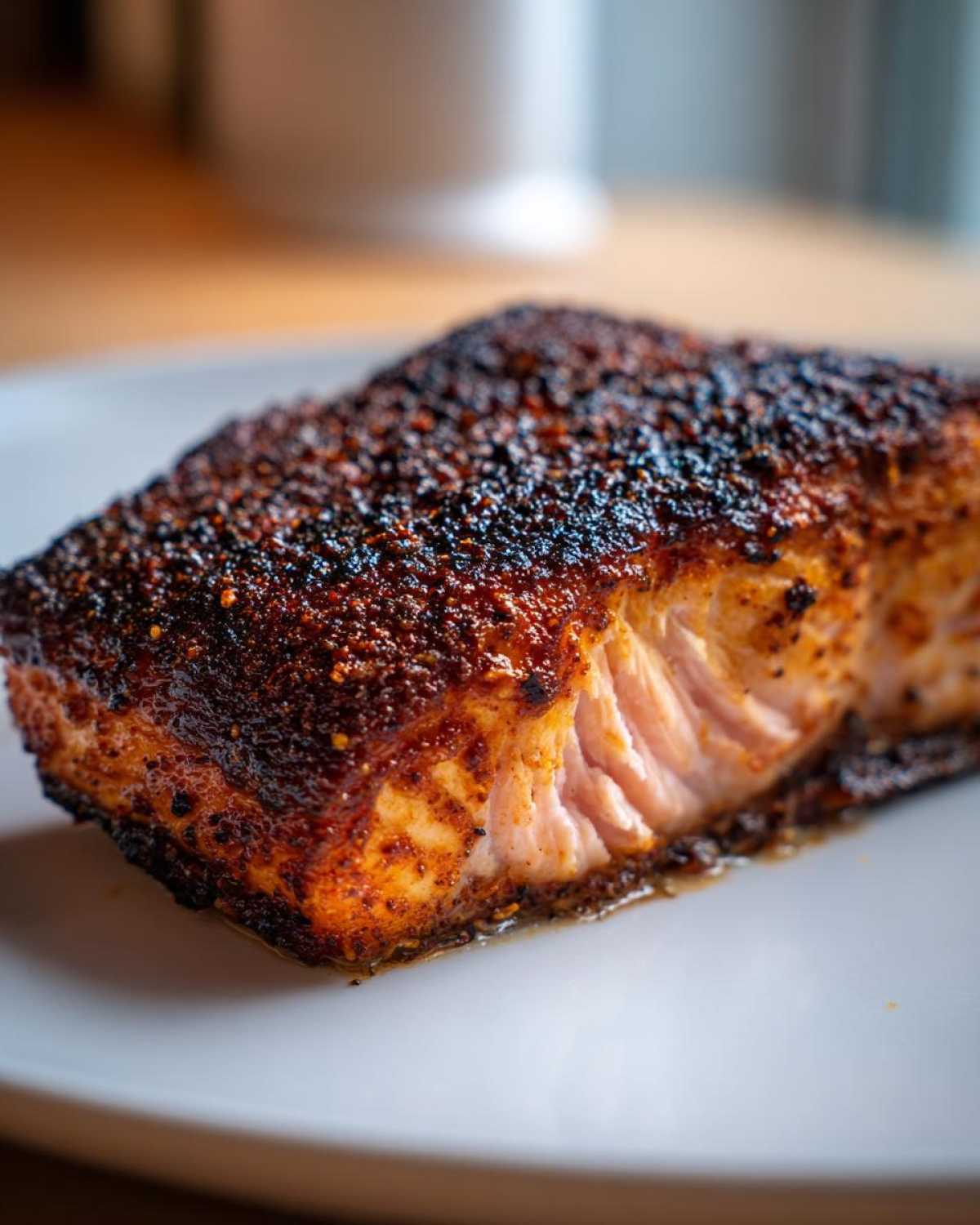
If you’re really in a rush, you can eat that flaked salmon cold! Toss it over a fresh green salad with a bright vinaigrette, and you’ve got a fantastic, healthy lunch that tastes like you just made it. That smoky spice holds up really well when chilled!
PrintClassic Pan-Seared Blackened Salmon with Homemade Spice Blend
Create restaurant-style blackened salmon with a signature spicy crust using this quick, pan-seared recipe. It is a healthy salmon dinner perfect for a weeknight meal.
- Prep Time: 5 min
- Cook Time: 10 min
- Total Time: 15 min
- Yield: 4 servings
- Category: Dinner
- Method: Pan-Seared
- Cuisine: American
- Diet: Low Fat
Ingredients
- 4 (6-ounce) salmon fillets, skin on or off
- 2 tablespoons olive oil or avocado oil
- 1 tablespoon smoked paprika
- 1 tablespoon onion powder
- 1 tablespoon garlic powder
- 1 teaspoon dried oregano
- 1 teaspoon dried thyme
- 1 teaspoon cayenne pepper (adjust for spice level)
- 1 teaspoon salt
- 1/2 teaspoon black pepper
- 1/4 teaspoon ground cumin
Instructions
- Prepare the seasoning blend: In a small bowl, mix together the smoked paprika, onion powder, garlic powder, oregano, thyme, cayenne pepper, salt, black pepper, and cumin. This is your best salmon spice blend.
- Pat the salmon fillets completely dry using paper towels. This step helps create a better crust.
- Coat the salmon: Sprinkle the seasoning blend generously and evenly over all sides of each salmon fillet, pressing lightly so the spices adhere well.
- Heat the skillet: Place a large, heavy-bottomed skillet (cast iron works best) over medium-high heat. Add the olive oil or avocado oil and let it get very hot until it shimmers slightly.
- Sear the salmon: Carefully place the seasoned salmon fillets presentation-side down (usually the flesh side) into the hot skillet. Do not overcrowd the pan; cook in batches if necessary.
- Cook the first side: Sear for 3 to 4 minutes without moving the fish. You are looking for a dark, blackened crust to form.
- Flip and finish: Gently flip the fillets. Reduce the heat slightly to medium and cook for another 3 to 5 minutes, depending on the thickness of your fillet, until the salmon is cooked through and flakes easily with a fork. The internal temperature should reach 145°F.
- Serve immediately. This quick seafood recipe pairs well with a squeeze of fresh lemon or a creamy salmon sauce pairing like dill sauce.
Notes
- For an oven baked blackened salmon alternative, bake at 400°F (200°F) for 12-15 minutes after seasoning.
- If you prefer air fryer blackened salmon, cook at 380°F (195°C) for 10-12 minutes.
- To achieve a flakier interior, ensure your skillet is hot before adding the fish.
- This recipe is naturally gluten free salmon and low carb salmon dinner friendly.
Nutrition
- Serving Size: 1 fillet
- Calories: 320
- Sugar: 1
- Sodium: 450
- Fat: 18
- Saturated Fat: 3
- Unsaturated Fat: 15
- Trans Fat: 0
- Carbohydrates: 4
- Fiber: 1
- Protein: 35
- Cholesterol: 95